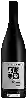
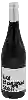
Domaine de CambisBarroco Cinsault
 Red wine



This wine generally goes well with

Wine flavors and olphactive analysis

On the nose the Barroco Cinsault of Domaine de Cambis in the region of Vin de France often reveals types of flavors of earthy, earth.
Details and technical informations about Domaine de Cambis's Barroco Cinsault.
Discover the grape variety: Montepulciano
Powerful, fruity reds with a deep ruby robe, supple but present tannins and fresh acidity, showing intense aromas of black cherry, blackberry, plum, violet, sweet spices, liquorice and balsamic notes. Round, generous palate, approachable young. Also in luscious rosés. Absolute star of Montepulciano d'Abruzzo DOC, Cerasuolo d'Abruzzo DOC (rosé) and Colline Teramane DOCG, pillar of the Marche (Conero DOCG). Autochthonous Abruzzo variety, one of the most planted in Italy.
Last vintages of this wine
The best vintages of Barroco Cinsault from Domaine de Cambis are 2015, 2014, 2012, 2013
Informations about the Domaine de Cambis
The Domaine de Cambis is one of of the world's greatest estates. It offers 8 wines for sale in the of Vin de France to come and discover on site or to buy online.

The wine region of Vin de France
The freest category of French wine, the playground of winemakers working outside the AOC. All styles combined: fruity reds, lively or ambitious whites, everyday rosés, unusual blends, natural wines, atypical grapes (Petit Manseng in Languedoc, Riesling in Provence), experimental winemaking (skin-contact whites, no sulphur). Grape and vintage labelling allowed, no geographic constraint. From the pop, convivial cuvée to the artisan gem: freedom in a bottle.
The word of the wine: Pommadé
Said of a wine that is unbalanced, pasty, syrupy, and whose excessive sugar content gives an impression of heaviness.