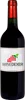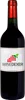
Domaine DamiensTaheïty
 Sweet wine
This wine generally goes well with beef

Food and wine pairings with Taheïty
Pairings that work perfectly with Taheïty

Original food and wine pairings with Taheïty
The Taheïty of Domaine Damiens matches generally quite well with dishes of beef such as recipes of celine's version of moussaka (5th meeting).
Details and technical informations about Domaine Damiens's Taheïty.
Discover the grape variety: Tannat
Powerful, tannic reds with inky colour and dense texture, with aromas of blackberry, blackcurrant, black plum, leather, liquorice and smoky notes. Very high ageing potential and polyphenol content (health reputation). Star of Madiran AOC in Béarn and the national grape of Uruguay (Canelones, Maldonado). Also grown in Irouléguy and Tursan. Late-ripening red variety from south-west France.
Informations about the Domaine Damiens
The Domaine Damiens is one of of the world's greatest estates. It offers 13 wines for sale in the of Madiran to come and discover on site or to buy online.

The wine region of Madiran
South-West capital of age-worthy reds at the foot of the Pyrenees: signature Tannat as king red (60-80%) — black robe and powerful profile with notes of raspberry, blackberry, blackcurrant, plum, spices, liquorice, undergrowth and a leather touch, signature dense and nervy tannins, firm structure and 10-30 years ageing softening to velvet. Cabernet Sauvignon and Cabernet Franc as backup. AOC (1948) over Gers, Hautes-Pyrénées and Pyrénées-Atlantiques, clay-limestones and silico-clays.
The wine region of South West
French mosaic of strong identities south of Bordeaux. Cahors and its Malbec ("black wine"): deep reds with notes of blackberry, plum, violet, tobacco and cocoa, firm tannins. Madiran and its dense, age-worthy Tannat. Jurançon whites: golden sweet (apricot, honey, pineapple) and lively dry from Petit Manseng.
The word of the wine: Terroir
Strictly speaking, the notion of terroir corresponds to the geological characteristics of a vineyard. However, when we talk about terroir, we take into account the soil, the climate (even the microclimate), the flora, the fauna, and the human factor that characterizes the practices that make up the art of the craft.