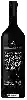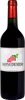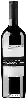
Winery BoscoRosso Semi Secco
 Red wine


In the mouth this red wine is a powerful with a lot of tannins present in the mouth.
This wine generally goes well with beef, game (deer, venison) or lamb.

Taste structure of the Rosso Semi Secco from the Winery Bosco
Light | Bold | |
Smooth | Tannic | |
Dry | Sweet | |
Soft | Acidic |
In the mouth the Rosso Semi Secco of Winery Bosco in the region of Vino da Tavola is a powerful with a lot of tannins present in the mouth.
Food and wine pairings with Rosso Semi Secco
Pairings that work perfectly with Rosso Semi Secco



Original food and wine pairings with Rosso Semi Secco

The Rosso Semi Secco of Winery Bosco matches generally quite well with dishes of beef, pasta or lamb such as recipes of pastasciutta (corsica), pasta cake or lamb with coconut milk.
Details and technical informations about Winery Bosco's Rosso Semi Secco.
Discover the grape variety: Doukkali
Lively, fruity whites for early drinking, with a pale golden hue, light palate and moderate acidity, showing aromas of citrus, white-fleshed fruits (peach) and Mediterranean notes. Profile well suited to hot, dry climates. Increasingly rare, it bears witness to Morocco's viticultural heritage and the adaptation of local grape varieties. Native Moroccan white grape, grown mainly in the Doukkala region south of Casablanca.
Last vintages of this wine
The best vintages of Rosso Semi Secco from Winery Bosco are 2015, 0
Informations about the Winery Bosco
The Winery Bosco is one of of the world's greatest estates. It offers 4 wines for sale in the of Vino da Tavola to come and discover on site or to buy online.

The wine region of Vino da Tavola
The freest category of Italian wine, with no grape or zone constraint. All styles: bold reds based on Bordeaux grapes (Cabernet, Merlot), atypical blends, maker's cuvées outside DOC rules. Historic cradle of the "Super Tuscans" in the 1960s-80s (Sassicaia, Tignanello, Ornellaia) before the creation of IGT in 1992. Today dedicated to everyday wines or winemaker experiments.
The word of the wine: Aragnan
A very rare white grape variety that can be found in the blends of the Palette appellation (Provence).