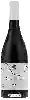
Domaine BérénasCollection Terroir Le Mazet
 Red wine
This wine generally goes well with beef, veal or pasta.
Food and wine pairings with Collection Terroir Le Mazet
Pairings that work perfectly with Collection Terroir Le Mazet



Original food and wine pairings with Collection Terroir Le Mazet
The Collection Terroir Le Mazet of Domaine Bérénas matches generally quite well with dishes of beef, pasta or lamb such as recipes of sloth pork loin, pipe rigate bolognese sauce or lamb with masalé sauce and rice.
Details and technical informations about Domaine Bérénas's Collection Terroir Le Mazet.
Discover the grape variety: Garanoir
Intraspecific cross between Gamay and Reichensteiner obtained in 1970 by André Jacquinet at the Agroscope Changins-Wädenswil research station (Switzerland). From this same crossbreed, Gamaret and Mara were also born.
Informations about the Domaine Bérénas
The Domaine Bérénas is one of wineries to follow in Pays d'Oc.. It offers 18 wines for sale in the of Pays d'Oc to come and discover on site or to buy online.

The wine region of Pays d'Oc
Pays d'Oc is the PGI for red, white and rosé wines that are produced over a wide area of the southern coast of France. The PGI catchment area corresponds roughly to the Languedoc-roussillon">Languedoc-Roussillon wine region, one of the largest wine regions in France. The area covers all wines that are not produced under the strict laws that govern AOC-level appellations in the regions: among them, Corbières, Minervois and the Languedoc appellation itself. The Pays d'Oc PGI is arguably the most important in France, producing the majority of the country's PGI wines.
The word of the wine: Broker
In the past, he was a sort of fraud control agent who had to watch over the quality of merchant wines (he could carry a sword!). His function has evolved towards expertise (it was the brokers who established the famous 1855 classification in Bordeaux) and today he puts the producer in contact with the merchant.