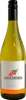
Winery Dobosi PincészetHaraszt
 White wine
This wine generally goes well with
Details and technical informations about Winery Dobosi Pincészet's Haraszt.
Discover the grape variety: Chatus
Chatus noir is a grape variety that originated in France (Cévennes). It produces a variety of grape specially used for wine making. It is rare to find this grape to eat on our tables. This variety of grape is characterized by medium-sized bunches and small grapes. Chatus noir can be found in several vineyards: South-West, Cognac, Bordeaux, Loire Valley, Provence & Corsica, Rhone Valley, Savoie & Bugey, Beaujolais, Languedoc & Roussillon.
Informations about the Winery Dobosi Pincészet
The Winery Dobosi Pincészet is one of of the world's great estates. It offers 26 wines for sale in the of Balatonfüred-Csopak to come and discover on site or to buy online.

The wine region of Balatonfüred-Csopak
The wine region of Balatonfüred-Csopak is located in the region of Balaton of Hungary. Wineries and vineyards like the Domaine Szent Donat or the Domaine Jásdi Pince produce mainly wines white, red and pink. The most planted grape varieties in the region of Balatonfüred-Csopak are Merlot, Furmint and Cabernet-Sauvignon, they are then used in wines in blends or as a single variety. On the nose of Balatonfüred-Csopak often reveals types of flavors of earth, black fruit or microbio and sometimes also flavors of tree fruit, vegetal or citrus fruit.
The wine region of Balaton
Balatonboglar (South Balaton) is one of several wine regions on the shores of Lake Balaton, in the Transdanubia region of western Hungary. Lake Balaton is a Long, thin freshwater lake measuring almost 80 kilometers (50 miles) in Length, sometimes referred to as the 'Hungarian Sea. ' It is the largest lake in Central Europe and Hungary's most popular tourist destination. A wide portfolio of the popular, internationally recognized Grape varieties are grown here, including a number of the French classics.
The word of the wine: Yeast
Micro-organisms at the base of all fermentative processes. A wide variety of yeasts live and thrive naturally in the vineyard, provided that treatments do not destroy them. Unfortunately, their replacement by laboratory-selected yeasts is often the order of the day and contributes to the standardization of the wine. Yeasts are indeed involved in the development of certain aromas.