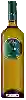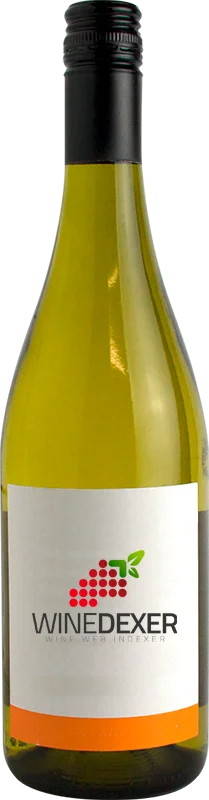
Winery Diflora365 Moscato
 White wine


In the mouth this white wine is a powerful.
This wine generally goes well with lean fish, shellfish or mature and hard cheese.
Taste structure of the 365 Moscato from the Winery Diflora
Light | Bold | |
Dry | Sweet | |
Soft | Acidic |
In the mouth the 365 Moscato of Winery Diflora in the region of Puglia is a powerful.
Food and wine pairings with 365 Moscato
Pairings that work perfectly with 365 Moscato



Original food and wine pairings with 365 Moscato


The 365 Moscato of Winery Diflora matches generally quite well with dishes of pasta, shellfish or mature and hard cheese such as recipes of macaroni and cheese gratin, fried squid or bocconcini (veal rolls with ham and comté).
Details and technical informations about Winery Diflora's 365 Moscato.
Discover the grape variety: Mondeuse
Mondeuse noir is a grape variety that originated in France (Savoie). It produces a variety of grape specially used for wine making. It is rare to find this grape to eat on our tables. This variety of grape is characterized by medium to large bunches, and grapes of medium size. Mondeuse noir can be found in many vineyards: South-West, Cognac, Bordeaux, Savoie & Bugey, Languedoc & Roussillon, Loire Valley, Provence & Corsica, Rhône Valley, Beaujolais.
Last vintages of this wine
The best vintages of 365 Moscato from Winery Diflora are 2008, 0
Informations about the Winery Diflora
The Winery Diflora is one of of the world's greatest estates. It offers 4 wines for sale in the of Puglia to come and discover on site or to buy online.

The wine region of Puglia
Puglia (Apulia to many English speakers) is a Long, slender wine region in the extreme Southeast corner of Italy's "boot". To use the shoe analogy often used to illustrate the shape of Italy, Apulia extends from the tip of the heel to the mid-calf, where the spur of the Gargano Peninsula juts out into the Adriatic Sea. The heel (the Salento peninsula) occupies the southern half of the region and is of great importance for the identity of Puglia. Not only are there cultural and geographical differences from Northern Puglia, but the wines are also different.
The word of the wine: Cuvée prestige (champagne)
Vintage or not, it is composed of a selection of terroirs and generally comes from the first press after eliminating the very first juices that come out of the press. The best known? Dom Pérignon, Cristal de Roederer, Grand Siècle de Laurent-Perrie, Louise at Pommery. In fact, all the houses and most of the independent winegrowers have their own prestige cuvee.