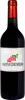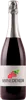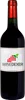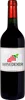
Winery DelinquentGrignolino d'Asti
 wine
wine
This wine generally goes well with
The Grignolino d'Asti of the Winery Delinquent is in the top 0 of wines of Grignolino d'Asti.
Details and technical informations about Winery Delinquent's Grignolino d'Asti.
Discover the grape variety: Velika
Intraspecific crossing between the Beirut date palm or bolgar and the Alphonse Lavallée obtained in Bulgaria in 1987 by Ivan Todorov. In France, it is practically unknown.
Informations about the Winery Delinquent
The Winery Delinquent is one of of the world's greatest estates. It offers 2 wines for sale in the of Grignolino d'Asti to come and discover on site or to buy online.

The wine region of Grignolino d'Asti
The wine region of Grignolino d'Asti is located in the region of Piémont of Italy. Wineries and vineyards like the Domaine Marchesi Incisa della Rocchetta or the Domaine La Miraja produce mainly wines red, white and pink. The most planted grape varieties in the region of Grignolino d'Asti are Grignolino, they are then used in wines in blends or as a single variety. On the nose of Grignolino d'Asti often reveals types of flavors of cherry, cranberry or tree fruit and sometimes also flavors of vegetal, dried fruit or black fruit.
The wine region of Piedmont
Piedmont (Piemonte) holds an unrivalled place among the world's finest wine regions. Located in northwestern Italy, it is home to more DOCG wines than any other Italian region, including such well-known and respected names as Barolo, Barbaresco and Barbera d'Asti. Though famous for its Austere, Tannic, Floral">floral reds made from Nebbiolo, Piedmont's biggest success story in the past decade has been Moscato d'Asti, a Sweet, Sparkling white wine. Piedmont Lies, as its name suggests, at the foot of the Western Alps, which encircle its northern and western sides and form its naturally formidable border with Provence, France.
The word of the wine: Sulphur
An antiseptic and antioxidant substance known since antiquity, probably already used by the Romans. But it was only in modern times that its use was rediscovered. It will allow a better conservation of the wine and thus favour its export. Sulphur also gave the 18th century winegrower the possibility of extending the maceration period without fearing that the wine would turn sour and thus go from dark rosé wines to the red wines of today. Excessive sulphur, on the other hand, kills happiness, paralysing the aromas and causing headaches.