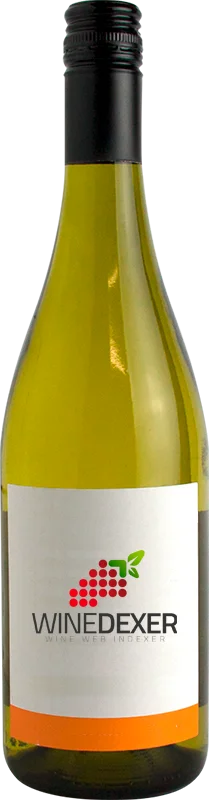
Winery Emmerich-KoebernikGrauburgunder Trocken
 White wine



In the mouth this white wine is a .
This wine generally goes well with pork, cured meat or mushrooms.
Taste structure of the Grauburgunder Trocken from the Winery Emmerich-Koebernik
Light | Bold | |
Dry | Sweet | |
Soft | Acidic |
In the mouth the Grauburgunder Trocken of Winery Emmerich-Koebernik in the region of Nahe is a .
Food and wine pairings with Grauburgunder Trocken
Pairings that work perfectly with Grauburgunder Trocken


Original food and wine pairings with Grauburgunder Trocken

The Grauburgunder Trocken of Winery Emmerich-Koebernik matches generally quite well with dishes of pork, spicy food or mushrooms such as recipes of kale soup, navarin of lamb or english breakfast.
Details and technical informations about Winery Emmerich-Koebernik's Grauburgunder Trocken.
Discover the grape variety: Grk blanc
Endemic variety of central and southern Dalmatia, very well known on the island of Korcula, completely unknown in other wine-producing countries.
Last vintages of this wine
The best vintages of Grauburgunder Trocken from Winery Emmerich-Koebernik are 0
Informations about the Winery Emmerich-Koebernik
The Winery Emmerich-Koebernik is one of of the world's greatest estates. It offers 30 wines for sale in the of Nahe to come and discover on site or to buy online.

The wine region of Nahe
Nahe is one of the smaller German wine regions, named after the Nahe river which joins the Rhein at Rheinhessen/bingen">Bingen. The viticultural carea here is characterised by dramatic topography with steep slopes and craggy outcrops of metamorphic rock. Like most of the regions on or near the Rhine, its most prestigious wines are made from Riesling. There are around 4,000 hectares (10,000 acres) of Vineyards, spread across seven Grosslagen (wine districts) and over 300 Einzellagen (individual vineyard sites).
The word of the wine: Vent (taste of)
A defect that characterizes a wine exposed to the air, and which has lost its aromatic qualities.