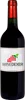
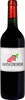
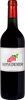
Winery DavideiraTinto
 Red wine



This wine is a blend of 2 varietals which are the Tinta Barroca and the Touriga franca.
This wine generally goes well with beef
The Tinto of the Winery Davideira is in the top 10 of wines of Vinho de Portugal.
Food and wine pairings with Tinto
Pairings that work perfectly with Tinto

Original food and wine pairings with Tinto
The Tinto of Winery Davideira matches generally quite well with dishes of beef such as recipes of chinese noodles with beef.
Details and technical informations about Winery Davideira's Tinto.
Discover the grape variety: Tinta Barroca
Most certainly Portuguese, more precisely in the Douro region where it is very present. It can be found in Spain, Portugal, South Africa, ... almost unknown in France, registered in the Official Catalogue of A2 list varieties.
Last vintages of this wine
The best vintages of Tinto from Winery Davideira are 2018, 0, 2017, 2019
Informations about the Winery Davideira
The Winery Davideira is one of of the world's greatest estates. It offers 3 wines for sale in the of Vinho de Portugal to come and discover on site or to buy online.

The wine region of Vinho de Portugal
Portugal has undergone something of a wine revolution over the past two decades, modernizing its winemaking technologies, styles and attitudes. This archetypal Old World country has Long been famous for its fortified wines (Port and Madeira) and its light, tangy Vinho Verde. But it is now attracting much attention for its New wave of Rich, ripe table wines, especially the reds of the Douro Valley. Portugal's place in the wine world is arguably more about its cork production than its wine, but that largely depends on which period of history you choose.
The word of the wine: Cordon de Royat (size in)
Short trellised pruning with one or two horizontal arms stretched over a wire. Very suitable for mechanization, it offers a very good exposure of the bunches as well as an excellent aeration.