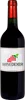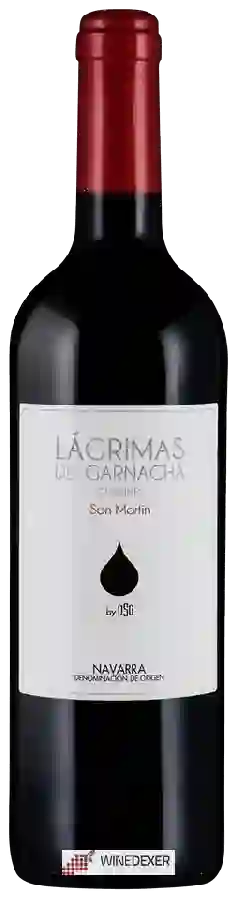
Bodegas BhilarSan Martin Navarra Lágrimas de Garnacha
 Red wine



In the mouth this red wine is a powerful with a nice freshness.
This wine generally goes well with poultry, beef or game (deer, venison).

Taste structure of the San Martin Navarra Lágrimas de Garnacha from the Bodegas Bhilar
Light | Bold | |
Smooth | Tannic | |
Dry | Sweet | |
Soft | Acidic |
In the mouth the San Martin Navarra Lágrimas de Garnacha of Bodegas Bhilar in the region of Navarre is a powerful with a nice freshness.
Wine flavors and olphactive analysis



On the nose the San Martin Navarra Lágrimas de Garnacha of Bodegas Bhilar in the region of Navarre often reveals types of flavors of non oak, oak or spices and sometimes also flavors of red fruit, black fruit.
Food and wine pairings with San Martin Navarra Lágrimas de Garnacha
Pairings that work perfectly with San Martin Navarra Lágrimas de Garnacha



Original food and wine pairings with San Martin Navarra Lágrimas de Garnacha


The San Martin Navarra Lágrimas de Garnacha of Bodegas Bhilar matches generally quite well with dishes of beef, pasta or lamb such as recipes of roast beef with pepper, tagliatelle with carbonara or lamb with coconut milk.
Details and technical informations about Bodegas Bhilar's San Martin Navarra Lágrimas de Garnacha.
Discover the grape variety: Vijiriega
Lively and aromatic dry whites with a pale golden robe, a slender palate and sharp acidity, with signature aromas of citrus (lime), white flowers, aromatic herbs and saline volcanic island notes. A very characteristic Atlantic thirst-quenching profile. A traditional component of Canarian DOC whites (Tenerife, La Palma), contributing to the Atlantic viticultural identity of the Canary Islands. Native Spanish white grape of the Canary Islands, with fine island character.
Last vintages of this wine
The best vintages of San Martin Navarra Lágrimas de Garnacha from Bodegas Bhilar are 2015, 2013, 0, 2016 and 2014.
Informations about the Bodegas Bhilar
The Bodegas Bhilar is one of of the world's greatest estates. It offers 29 wines for sale in the of Navarre to come and discover on site or to buy online.

The wine region of Navarre
Spanish reference for great Garnacha rosés: raspberry-pink colour, notes of crushed strawberry, cherry, citrus and white flowers, dry and gourmet palate. The emblematic grape (~70% of reds in the past), also in supple, sun-filled reds. Tempranillo on the rise in modern blends, fine spicy Graciano, Cabernet and Merlot. Fresh Chardonnay and Viura whites.
The word of the wine: Casting
Preparatory phase of the wine-making process consisting in bursting the grapes in order to release the juice.