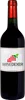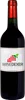
Winery David CoffaroCarignan
 Red wine


This wine generally goes well with beef and spicy food.
Wine flavors and olphactive analysis



On the nose the Carignan of Winery David Coffaro in the region of California often reveals types of flavors of non oak, earth or oak and sometimes also flavors of spices, red fruit or black fruit.
Food and wine pairings with Carignan
Pairings that work perfectly with Carignan


Original food and wine pairings with Carignan
The Carignan of Winery David Coffaro matches generally quite well with dishes of beef or spicy food such as recipes of pot-au-feu or hawaiian pizza.
Details and technical informations about Winery David Coffaro's Carignan.
Discover the grape variety: Candin
Interspecific crossing between 7489 (direct white producer hybrid) and Hamburg Muscat obtained in 1981.
Last vintages of this wine
The best vintages of Carignan from Winery David Coffaro are 0
Informations about the Winery David Coffaro
The Winery David Coffaro is one of of the world's greatest estates. It offers 31 wines for sale in the of Dry Creek Valley to come and discover on site or to buy online.

The wine region of Dry Creek Valley
The wine region of Dry Creek Valley is located in the region of Sonoma County of California of United States. We currently count 414 estates and châteaux in the of Dry Creek Valley, producing 1322 different wines in conventional, organic and biodynamic agriculture. The wines of Dry Creek Valley go well with generally quite well with dishes .
The wine region of California
California is the largest and most important wine region in the United States. It represents the southern two-thirds (850 miles or 1,370 kilometers) of the country's west coast. (Oregon and Washington make up the rest. ) The state also spans nearly 10 degrees of latitude.
The word of the wine: Solera
A method of maturing practiced in Andalusia for certain sherries, which aims to continuously blend older and younger wines. It consists of stacking several layers of barrels; those located at ground level (solera) contain the oldest wines, the youngest being stored in the barrels on the upper level. The wine to be bottled is taken from the barrels on the lower level, which is replaced by younger wine from the upper level, and so on.