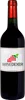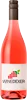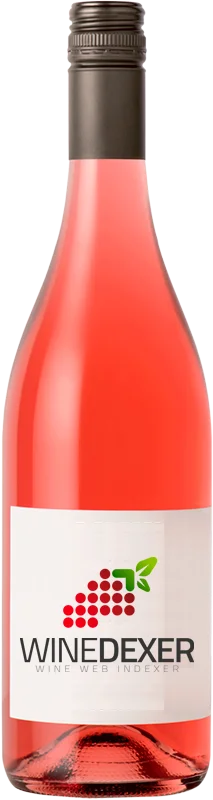
Winery DanubianaRosé Félédes
 Pink wine
This wine is a blend of 2 varietals which are the Cabernet-Sauvignon and the Zweigelt.
This wine generally goes well with blue cheese, pork or poultry.

Food and wine pairings with Rosé Félédes
Pairings that work perfectly with Rosé Félédes



Original food and wine pairings with Rosé Félédes



The Rosé Félédes of Winery Danubiana matches generally quite well with dishes of beef, lamb or pork such as recipes of puchero, lamb tagine with artichokes and dried tomatoes or mushroom, bacon and gruyere quiche.
Details and technical informations about Winery Danubiana's Rosé Félédes.
Discover the grape variety: Cabernet-Sauvignon
Structured, tannic reds, deeply coloured, with aromas of blackcurrant, blackberry, cedar, tobacco and graphite, underpinned by firm acidity and fine ageing potential. Cornerstone of the great Médoc estates (Pauillac, Saint-Estèphe, Saint-Julien) and signature of Napa Valley, Coonawarra and Maipo. The world's most planted red variety, a natural cross of Cabernet Franc x Sauvignon Blanc born in Bordeaux.
Informations about the Winery Danubiana
The Winery Danubiana is one of of the world's great estates. It offers 34 wines for sale in the of Dél-Pannónia to come and discover on site or to buy online.

The wine region of Dél-Pannónia
Southern Hungary (Pécs, Szekszárd, Villány, Tolna), ~7,800 ha on loess and limestone, continental climate with Mediterranean influences — bastion of great Hungarian reds. Kékfrankos and Kadarka signatures as native red kings: spiced and structured with black cherry, blackberry, plum, paprika, pepper and smoky hint, firm tannins. Ripe Cabernet Franc and Sauvignon in Bordeaux blends at Villány. Specialities Szekszárdi Bikavér and unique Cirfandli white at Pécs (spiced, honeyed).
The word of the wine: Vent (taste of)
A defect that characterizes a wine exposed to the air, and which has lost its aromatic qualities.