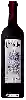
Winery Danilo SpinoglioGrignolino del Monferrato Casalese
 Red wine
In the mouth this red wine is a powerful.
This wine generally goes well with beef, game (deer, venison) or lamb.
Taste structure of the Grignolino del Monferrato Casalese from the Winery Danilo Spinoglio
Light | Bold | |
Smooth | Tannic | |
Dry | Sweet | |
Soft | Acidic |
In the mouth the Grignolino del Monferrato Casalese of Winery Danilo Spinoglio in the region of Piedmont is a powerful.
Food and wine pairings with Grignolino del Monferrato Casalese
Pairings that work perfectly with Grignolino del Monferrato Casalese



Original food and wine pairings with Grignolino del Monferrato Casalese

The Grignolino del Monferrato Casalese of Winery Danilo Spinoglio matches generally quite well with dishes of beef, pasta or lamb such as recipes of spaghetti squash bolognese style, spaghetti with garlic or pizza queen with merguez.
Details and technical informations about Winery Danilo Spinoglio's Grignolino del Monferrato Casalese.
Discover the grape variety: Grignolino
Most certainly Italian, it is mainly cultivated in the region of Asti in Piedmont and very little known elsewhere in Italy.
Informations about the Winery Danilo Spinoglio
The Winery Danilo Spinoglio is one of of the world's greatest estates. It offers 18 wines for sale in the of Grignolino del Monferrato Casalese to come and discover on site or to buy online.

The wine region of Grignolino del Monferrato Casalese
Piedmontese DOC on the Monferrato hills between Asti and Casale, clay-limestone marls. Exclusive native Grignolino signature as red king (≥90%, almost absent elsewhere): halfway between rosé and light red — clear ruby robe turning orange, delicate fruit with raspberry, red cherry, dried flower, citrus and fine spices, signature slightly tannic finish and lively freshness. More structured Monferace ageing version (40 months, 24 in wood). Freisa as complement.
The wine region of Piedmont
Kingdom of Nebbiolo: Barolo and Barbaresco DOCG, long-ageing reds with firm tannins and lively acidity, complex aromas of withered rose, sour cherry, tar, truffle and undergrowth. More accessible, tangy Barbera on red fruit, supple, crisp Dolcetto. Sweet, floral sparkling Moscato d'Asti, mineral, lemony Gavi (Cortese) white, round, almondy Arneis from Roero. 50,000 ha across the Langhe, Roero and Monferrato, UNESCO.
The word of the wine: Deposit
Solid particles that can naturally coat the bottom of a bottle of wine. It is rather a guarantee that the wine has not been mistreated: in fact, to avoid the natural deposit, rather violent processes of filtration or cold passage (- 7 or - 8 °C) are used in order to precipitate the tartar (the small white crystals that some people confuse with crystallized sugar: just taste to dissuade you from it)