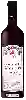
Winery Capello SergioVino Rosso Morosona
 Red wine
This wine generally goes well with
The Vino Rosso Morosona of the Winery Capello Sergio is in the top 10 of wines of Grignolino del Monferrato Casalese.

Details and technical informations about Winery Capello Sergio's Vino Rosso Morosona.
Discover the grape variety: Müller-Thurgau
Light, aromatic whites with a tender palate and moderate acidity, with muscat-like aromas of white flowers, apple, citrus, peach and honeyed notes. Made as easy dry whites, popular semi-dry wines and some sparkling cuvées. Widely planted in Germany (Rheinhessen, Baden), northern Italy (Alto Adige, Trentino), Austria, Switzerland, Hungary and Japan. Cross of riesling × madeleine royale created in 1882 by Hermann Müller in Geisenheim.
Informations about the Winery Capello Sergio
The Winery Capello Sergio is one of of the world's greatest estates. It offers 6 wines for sale in the of Grignolino del Monferrato Casalese to come and discover on site or to buy online.

The wine region of Grignolino del Monferrato Casalese
Piedmontese DOC on the Monferrato hills between Asti and Casale, clay-limestone marls. Exclusive native Grignolino signature as red king (≥90%, almost absent elsewhere): halfway between rosé and light red — clear ruby robe turning orange, delicate fruit with raspberry, red cherry, dried flower, citrus and fine spices, signature slightly tannic finish and lively freshness. More structured Monferace ageing version (40 months, 24 in wood). Freisa as complement.
The wine region of Piedmont
Kingdom of Nebbiolo: Barolo and Barbaresco DOCG, long-ageing reds with firm tannins and lively acidity, complex aromas of withered rose, sour cherry, tar, truffle and undergrowth. More accessible, tangy Barbera on red fruit, supple, crisp Dolcetto. Sweet, floral sparkling Moscato d'Asti, mineral, lemony Gavi (Cortese) white, round, almondy Arneis from Roero. 50,000 ha across the Langhe, Roero and Monferrato, UNESCO.
The word of the wine: Botrytis cinerea
This fungus, also called noble rot, develops during the over-ripening phase and is an ally of great sweet white wines, when it concentrates the juice of the berries. It requires the humidity of morning fogs and beautiful sunny days, gives musts very rich in sugar and brings to the wines the famous taste of "roasted".