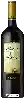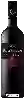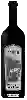
Winery DaltonMeron Vineyard Merlot
 Red wine
In the mouth this red wine is a powerful.
This wine generally goes well with beef, veal or lamb.

Taste structure of the Meron Vineyard Merlot from the Winery Dalton
Light | Bold | |
Smooth | Tannic | |
Dry | Sweet | |
Soft | Acidic |
In the mouth the Meron Vineyard Merlot of Winery Dalton in the region of Galilee is a powerful.
Food and wine pairings with Meron Vineyard Merlot
Pairings that work perfectly with Meron Vineyard Merlot



Original food and wine pairings with Meron Vineyard Merlot
The Meron Vineyard Merlot of Winery Dalton matches generally quite well with dishes of beef, lamb or veal such as recipes of polish goulash, lamb mice confit in port wine or veal paupiettes with white wine.
Details and technical informations about Winery Dalton's Meron Vineyard Merlot.
Discover the grape variety: Merlot
Round and fleshy reds with a velvety texture, showing aromas of ripe plum, black cherry, cocoa and truffle notes with age. Supple tannins, generous alcohol, indulgent finish. Pillar of Libournais (Pomerol with Pétrus, Saint-Émilion with Cheval Blanc and Ausone) and signature of Super Tuscans, Italian Wales and Washington State. A cross of Cabernet Franc × Magdeleine Noire, France's most planted red variety.
Informations about the Winery Dalton
The Winery Dalton is one of of the world's great estates. It offers 81 wines for sale in the of Galilee to come and discover on site or to buy online.

The wine region of Galilee
Israel's wine heartland in the north, a benchmark quality zone. Powerful, structured reds with signature notes of ripe blackcurrant, blackberry, dark chocolate, herbes de Provence and spices, firm tannins and a sun-soaked palate. Dominant international grapes: dense Cabernet Sauvignon, round Merlot, peppery Syrah and colourful Petit Verdot. Round Chardonnay and lively Sauvignon Blanc whites.
The word of the wine: Local wine
Table wine, but with the origin indicated. It corresponds to a particular legislation: the freedom to use grape varieties is greater than for the AOC, but the quality criteria such as the approval tastings can sometimes be more demanding. The legislation is still evolving, but for the moment there are three levels: regional (e.g. Vin de Pays d'Oc), departmental and local (e.g. Côtes de Thongue).