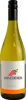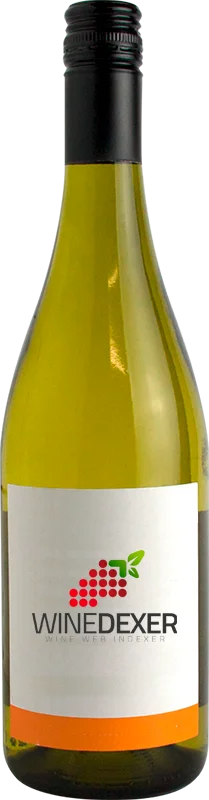
Winery Cristo de la VegaEl Inútil Verdejo
 White wine


In the mouth this white wine is a .
This wine generally goes well with pork, vegetarian or shellfish.

Taste structure of the El Inútil Verdejo from the Winery Cristo de la Vega
Light | Bold | |
Dry | Sweet | |
Soft | Acidic |
In the mouth the El Inútil Verdejo of Winery Cristo de la Vega in the region of Castille is a .
Food and wine pairings with El Inútil Verdejo
Pairings that work perfectly with El Inútil Verdejo



Original food and wine pairings with El Inútil Verdejo

The El Inútil Verdejo of Winery Cristo de la Vega matches generally quite well with dishes of pork, shellfish or vegetarian such as recipes of tartiflette (from a real savoyard), sublime fish and shrimp colombo or quiche with bacon and gruyère cheese.
Discover the grape variety: Verdejo
Lively, aromatic whites with sharp acidity and a sleek palate, with intense aromas of grapefruit, lime, fresh herbs, fennel, green almond and saline notes. Typically slightly bitter finish. Absolute star of Rueda DO in Castile-León, now widely exported. Also made as lees-aged and oak-influenced structured cuvées. Native Spanish variety, an ancient Castilian grape.
Last vintages of this wine
The best vintages of El Inútil Verdejo from Winery Cristo de la Vega are 0
Informations about the Winery Cristo de la Vega
The Winery Cristo de la Vega is one of of the world's great estates. It offers 44 wines for sale in the of La Mancha to come and discover on site or to buy online.

The wine region of La Mancha
World's largest contiguous wine area (190,000 ha), south of Madrid. Accessible, sunny wines: Tempranillo (here Cencibel) in full quality rise, supple reds with notes of ripe cherry, plum and spices; spicy Syrah, firm Cabernet Sauvignon, round Merlot. Light neutral Airén whites (75% of the vineyard), fresh Macabeo (Viura). Dry, hot continental climate, limestone and clay soils.
The wine region of Castille
Cradle of great Castilian reds, high-altitude plateaus (450-1000 m) along the Duero. Tempranillo king (aka Tinta de Toro, Tinto Fino): powerful, concentrated, structured reds with notes of black cherry, plum, leather, tobacco and spice, firm tannins from altitude and cool nights. Stars: Ribera del Duero (Vega Sicilia, Pingus), fleshy Toro, Bierzo (floral, mineral Mencía). Lively, herbaceous Verdejo whites from Rueda.
The word of the wine: Sweet
Wine with a slightly sickening sweetness.