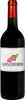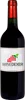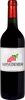
Winery CrevelimBordô Demi Sec
 Red wine


This wine generally goes well with

Details and technical informations about Winery Crevelim's Bordô Demi Sec.
Discover the grape variety: Teinturier
Intensely coloured teinturier reds with a near-black deep red colour, signature red pulp, firm tannins and dense palate, with simple aromas of black fruit (blackberry, blackcurrant), spices and balsamic notes. Historically used in blends to intensify colour. Now marginal, it survives in varietal collections. Generic name for indigenous French varieties with red pulp (Teinturier du Cher, Teinturier Henri Bouschet).
Last vintages of this wine
The best vintages of Bordô Demi Sec from Winery Crevelim are 0
Informations about the Winery Crevelim
The Winery Crevelim is one of of the world's great estates. It offers 8 wines for sale in the of Sao Paulo to come and discover on site or to buy online.

The wine region of Sao Paulo
Wine state of south-east Brazil, with its heart at São Roque ("Terra do Vinho") founded by Italian and Portuguese immigrants in the 18th c. Traditional-method sparkling as stars: fresh, lively bubblies with notes of green apple, citrus, white flowers and brioche, a fine bubble. Supple reds blending Bonarda, Barbera and fleshy Tannat, round tannins. Perfumed Muscat sweet wines (orange blossom, honey).
The word of the wine: Roast (taste of)
Characteristic taste of wines made from grapes affected by botrytis cinerea.