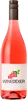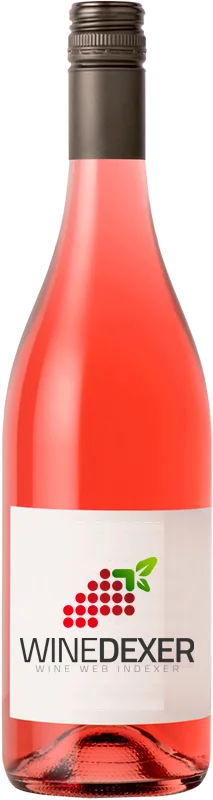
Winery Coteaux de DornotCoteaux De Dornot Pinot Noir Rosé
 Pink wine
This wine generally goes well with pork, poultry or veal.

Food and wine pairings with Coteaux De Dornot Pinot Noir Rosé
Pairings that work perfectly with Coteaux De Dornot Pinot Noir Rosé



Original food and wine pairings with Coteaux De Dornot Pinot Noir Rosé


The Coteaux De Dornot Pinot Noir Rosé of Winery Coteaux de Dornot matches generally quite well with dishes of veal, pork or game (deer, venison) such as recipes of atriaux en sauce, tagliatelle with carbonara or aiguillette of duck normandy style.
Details and technical informations about Winery Coteaux de Dornot's Coteaux De Dornot Pinot Noir Rosé.
Discover the grape variety: Pinot noir
Elegant reds, light in colour with silky tannins, showing strawberry, cherry and raspberry aromas, evolving to forest floor, mushroom and spice with age. Fresh acidity, delicate finish. Star of the Côte d'Or (Romanée-Conti, Chambertin, Volnay), pillar of Champagne (Blanc de Noirs) and signature of Oregon, Central Otago and Sonoma Coast. An early-ripening Burgundian variety, one of the world's greatest.
Informations about the Winery Coteaux de Dornot
The Winery Coteaux de Dornot is one of of the world's greatest estates. It offers 6 wines for sale in the of Moselle to come and discover on site or to buy online.

The wine region of Moselle
World benchmark for cool-climate German Riesling, on vertiginous blue and grey slate slopes. Pure, precise whites with signature notes of lime, green apple, white peach, white flowers and marked chalky minerality ("gunflint"), low alcohol (~8-10%), taut acidity and crystalline tension. From dry Kabinett to sweet Auslese, up to luscious Beerenauslese, Trockenbeerenauslese and Eiswein. Also Müller-Thurgau and Elbling.
The word of the wine: Mercaptan
Organic compound resulting from the combination of alcohol and sulphide (H2S) producing an unpleasant odour reminiscent of town gas and rotten eggs.