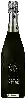
Winery Coste PetraiCartizze Valdobbiadene Superiore Dry
 Sparkling wine



This wine generally goes well with

Details and technical informations about Winery Coste Petrai's Cartizze Valdobbiadene Superiore Dry.
Discover the grape variety: Garnacha Tintorera
Intensely coloured, supple reds with a deep, near-opaque purple robe, light tannins and a dense palate. Signature aromas of black fruits (blackberry, blackcurrant), plum, soft spices and inky notes. Powerful dyer's profile. Grown in Spain (Almansa DO, La Mancha) and Portugal, used mainly to deepen colour in Mediterranean blends. Spanish synonym for Alicante Bouschet, a dyer's hybrid of Petit Bouschet × Grenache (19th century).
Last vintages of this wine
The best vintages of Cartizze Valdobbiadene Superiore Dry from Winery Coste Petrai are 0
Informations about the Winery Coste Petrai
The Winery Coste Petrai is one of of the world's greatest estates. It offers 15 wines for sale in the of Conegliano-Valdobbiadene Prosecco to come and discover on site or to buy online.

The wine region of Conegliano-Valdobbiadene Prosecco
Pinnacle of Italian Prosecco (DOCG, 2009, UNESCO): signature Glera as the sparkling white king — fine and elegant with notes of golden apple, white peach, pear, citrus, jasmine, wisteria and an almond touch, fine persistent bubbles, sometimes a saline finish (Rive and Cartizze). Charmat method, Brut/Extra Dry/Dry styles. Steep slopes between Conegliano and Valdobbiadene in Veneto, calcareous morainic soils. For aperitif and celebrations, more mineral than Prosecco DOC.
The wine region of Veneto
World star of Prosecco: fresh, light Glera sparklers with notes of pear, green apple and white flowers, fruity, convivial bubbles. Veronese reds from Corvina and Rondinella: light, crisp Bardolino, fruity Valpolicella, opulent, concentrated Amarone DOCG (black cherry, chocolate, raisin) from dried grapes. Mineral, almondy Soave (Garganega) whites, fresh Pinot Grigio. 97,500 ha, Italy's largest production.
The word of the wine: Thermoregulation
Control of the vinification temperatures (by circulating hot or cold water on the walls of the vats, for example). This is a major step forward, which in particular helps to preserve the freshness of the aromas threatened by excessive temperature rises during fermentation.