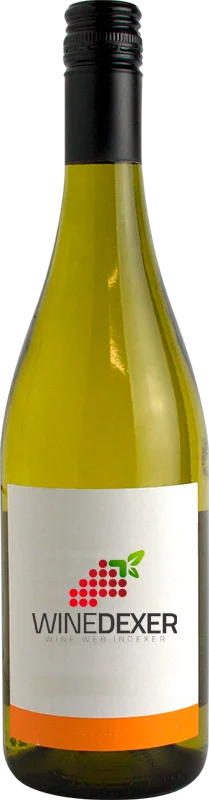
Winery Corazón de LongaresMacabeo Semi-Sweet
 White wine



This wine generally goes well with

Details and technical informations about Winery Corazón de Longares's Macabeo Semi-Sweet.
Discover the grape variety: Baco
Lively whites with pronounced acidity, a pale golden robe, a light, nervous palate, and discrete aromas of citrus (lemon) and slightly foxy hybrid notes. Disease-resistant. Mainly used for distillation into Armagnac; represents a significant share of the Landes vineyards and defines the aromatic identity of Gascon eaux-de-vie (characteristic rancio notes). French white hybrid obtained in 1898 by François Baco (folle blanche × noah).
Last vintages of this wine
The best vintages of Macabeo Semi-Sweet from Winery Corazón de Longares are 0, 2016
Informations about the Winery Corazón de Longares
The Winery Corazón de Longares is one of of the world's greatest estates. It offers 4 wines for sale in the of Aragon to come and discover on site or to buy online.

The wine region of Aragon
Autonomous community of northeast Spain, historic kingdom of Iberian red Grenache (~75%). Signature Garnacha: generous and sun-drenched with signature ripe cherry, crushed strawberry, garrigue, kirsch, sweet spice and a balsamic touch, round tannins and a warm, alcoholic palate. 4 major DOs: Cariñena the largest (old vines), Calatayud high-altitude, Campo de Borja and Somontano at the Pyrenean foothills. Fresh Macabeo and Garnacha blanca whites.
The word of the wine: Mistelle
Unfermented must with added brandy, also called liqueur wine: Pineau des Charentes, Floc de Gascogne, Macvin du Jura, Ratafia, Cartagène du Languedoc.