The Winery Coral Duero of Toro of Castille-et-Léon
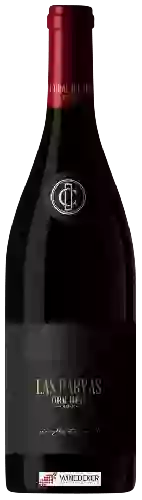
The Winery Coral Duero is one of the best wineries to follow in Toro.. It offers 6 wines for sale in of Toro to come and discover on site or to buy online.
Looking for the best Winery Coral Duero wines in Toro among all the wines in the region? Check out our tops of the best red, white or effervescent Winery Coral Duero wines. Also find some food and wine pairings that may be suitable with the wines from this area. Learn more about the region and the Winery Coral Duero wines with technical and enological descriptions.
How Winery Coral Duero wines pair with each other generally quite well with dishes of beef, pasta or veal such as recipes of romazava (madagascar), spaghetti with garlic or veal shank in a pot au feu with star anise.
On the nose the red wine of Winery Coral Duero. often reveals types of flavors of non oak, oak or red fruit and sometimes also flavors of earth. In the mouth the red wine of Winery Coral Duero. is a powerful with a nice balance between acidity and tannins.
The wine region of Toro is located in the region of Castille-et-Léon of Spain. Wineries and vineyards like the Domaine Teso La Monja or the Domaine Teso La Monja produce mainly wines red, white and sweet. The most planted grape varieties in the region of Toro are Tempranillo, Verdejo and Pinot gris, they are then used in wines in blends or as a single variety. On the nose of Toro often reveals types of flavors of cherry, espresso or black olive and sometimes also flavors of menthol, bramble or cigar box.
In the mouth of Toro is a powerful with a lot of tannins present in the mouth. We currently count 230 estates and châteaux in the of Toro, producing 720 different wines in conventional, organic and biodynamic agriculture. The wines of Toro go well with generally quite well with dishes of beef, lamb or game (deer, venison).
Planning a wine route in the of Toro? Here are the wineries to visit and the winemakers to meet during your trip in search of wines similar to Winery Coral Duero.
Interspecific crossing between the muscat du moulin or 299-35 Couderc (Pédro Ximénès x 603 Couderc (carignan noir x vitis rupestris) and the muscat ottonel obtained in 1962 by Bruce Reisch and Thomas Henick-Kling at the Experimental Station of the Cornell University - Geneva - New York (United States) Apart from this country, it is almost unknown in other wine-producing countries.