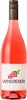
Winery ContiniAttilio Rosé
 Sparkling wine



This wine generally goes well with

Details and technical informations about Winery Contini's Attilio Rosé.
Discover the grape variety: Mondeusehe
Light, lively whites to drink young with a pale golden colour, airy palate with preserved acidity, showing undemonstrative aromas of citrus and alpine white flowers. Discreet Savoyard profile. Very rare, preserved for its heritage value, part of the ancient alpine varieties studied for their genetic and ampelographic interest in French collections. Rare French white variety, sometimes given as a synonym for the Savoyard Mondeuse Blanche.
Last vintages of this wine
The best vintages of Attilio Rosé from Winery Contini are 2013, 0, 2015
Informations about the Winery Contini
The Winery Contini is one of of the world's great estates. It offers 32 wines for sale in the of Valle del Tirso to come and discover on site or to buy online.

The wine region of Valle del Tirso
Sardinian IGT (1995) of the centre-west of the island around Oristano, lower Tirso valley, Mediterranean climate. Vernaccia di Oristano is the autochthonous white signature — taut and sunny with citrus, almond, dried fruits and oxidative-saline hint. Vermentino and Nuragus as lively whites. Cannonau, Monica and Nieddera as full-bodied Mediterranean reds with red fruits, cherry and spice.
The wine region of Sardinia
Italian Mediterranean wine island with 250+ varieties, strong native identity. Signature Cannonau (Grenache) in red: warm and deep with signature ripe cherry, garrigue, myrtle, spice and a balsamic touch, round tannins and a sun-drenched palate. Vermentino di Gallura DOCG star white (80% of Italian Vermentino): fresh and saline (citrus, pear, almond, sea iodine). Also dense Carignan, supple Monica, lively Nuragus, rare oxidative Vernaccia di Oristano.
The word of the wine: Alcohol
A generic term for the various alcohols produced during fermentation that give the wine body, structure and warmth.