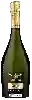
Winery Conti SperoniCollezione del Marchese Spumante Rosso
 Sparkling wine



This wine generally goes well with
Discover the grape variety: Brachetto
A very old vine cultivated in the northwest of Italy, in Piedmont to be precise (provinces of Asti and Allessandria). For a long time it was confused with a large number of other Italian grape varieties, which explains why the latter still bear the synonym "brachetto". It is said to be related to the Muscat à petits grains blancs, to be continued! Note that Brachet, known in the Nice region (Alpes maritimes), is not related to Brachetto. Brachetto can be found in Argentina, Italy, etc. It is virtually unknown in France.
Last vintages of this wine
The best vintages of Collezione del Marchese Spumante Rosso from Winery Conti Speroni are 0
Informations about the Winery Conti Speroni
The Winery Conti Speroni is one of of the world's greatest estates. It offers 3 wines for sale in the of Asti to come and discover on site or to buy online.

The wine region of Asti
The wine region of Asti is located in the region of Piémont of Italy. We currently count 468 estates and châteaux in the of Asti, producing 707 different wines in conventional, organic and biodynamic agriculture. The wines of Asti go well with generally quite well with dishes .
The wine region of Piedmont
Piedmont (Piemonte) holds an unrivalled place among the world's finest wine regions. Located in northwestern Italy, it is home to more DOCG wines than any other Italian region, including such well-known and respected names as Barolo, Barbaresco and Barbera d'Asti. Though famous for its Austere, Tannic, Floral">floral reds made from Nebbiolo, Piedmont's biggest success story in the past decade has been Moscato d'Asti, a Sweet, Sparkling white wine. Piedmont Lies, as its name suggests, at the foot of the Western Alps, which encircle its northern and western sides and form its naturally formidable border with Provence, France.
The word of the wine: OIV
International Organisation of Vine and Wine. Intergovernmental organization studying the technical, scientific or economic questions raised by the culture of the vine and the production of wine.