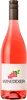
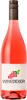
Winery Condado de OrizaTempranillo Rosado
 Pink wine
This wine generally goes well with pork, beef or game (deer, venison).

Food and wine pairings with Tempranillo Rosado
Pairings that work perfectly with Tempranillo Rosado



Original food and wine pairings with Tempranillo Rosado


The Tempranillo Rosado of Winery Condado de Oriza matches generally quite well with dishes of beef, lamb or pork such as recipes of wild boar with honey, leg of lamb with spices or ham and cheese omelette.
Details and technical informations about Winery Condado de Oriza's Tempranillo Rosado.
Discover the grape variety: Tempranillo
Elegant, structured reds with aromas of strawberry, cherry, plum, leather, blond tobacco and pronounced vanilla from long oak ageing. Ranges from Joven to Crianza, Reserva and Gran Reserva. Star of Rioja DOCa, Ribera del Duero DO and Toro DO, also shines in the Douro as Tinta Roriz/Aragonez. One of the world's most planted Spanish varieties.
Informations about the Winery Condado de Oriza
The Winery Condado de Oriza is one of of the world's greatest estates. It offers 10 wines for sale in the of Toro to come and discover on site or to buy online.

The wine region of Toro
Historic DO of Castile and León, Duero valley near Portugal. Signature Tinta de Toro (local Tempranillo clone, 70%): powerful, concentrated reds with signature notes of blackberry, candied black cherry, plum, leather, tobacco, cocoa and spice, firm tannins and a dense palate — sunny wines of great ageing. Also round Garnacha, Malvasia and Verdejo as fresh whites. Extreme continental climate (40 °C summers), vineyards between 600-750 m.
The wine region of Castille-et-Léon
Cradle of great Castilian reds on high-altitude plateaus (450-1000 m) of the Duero. Tempranillo king (Tinto Fino, Tinta de Toro): powerful, structured reds with notes of black cherry, blackberry, plum, leather and spices, firm tannins and length worthy of long ageing. Stars: Ribera del Duero (Vega Sicilia, Pingus), fleshy Toro, Bierzo (fresh mineral Mencía). Lively herbaceous Verdejo whites from Rueda, cut grass and citrus.
The word of the wine: Presses
The juice that results from pressing the grapes after fermentation. At the end of the maceration, the vats are emptied, the first juice obtained is called the free-run wine and the marc remaining at the bottom of the vat is then pressed to give the press wine. We say more quickly "the presses". Their quality varies according to the vintage and the maceration. A too vigorous extraction releases the tannins of pips and the wine of press can then prove to be very astringent. Often the winemaker raises it separately, deciding later whether or not to incorporate it totally or partially into the grand vin.