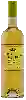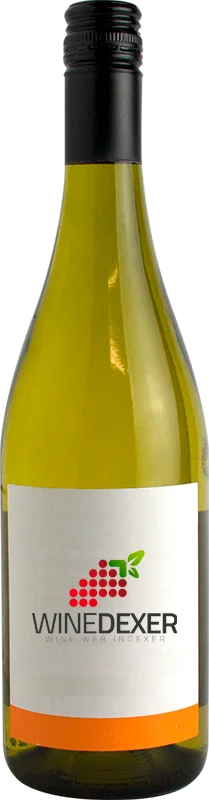
Château des ComperesSauternes
 Sweet wine


In the mouth this sweet wine is a powerful with a good balance between acidity and sweetness.
This wine generally goes well with fruity desserts and blue cheese.
Taste structure of the Sauternes from the Château des Comperes
Light | Bold | |
Dry | Sweet | |
Soft | Acidic |
In the mouth the Sauternes of Château des Comperes in the region of Bordeaux is a powerful with a good balance between acidity and sweetness.
Food and wine pairings with Sauternes
Pairings that work perfectly with Sauternes

Original food and wine pairings with Sauternes
The Sauternes of Château des Comperes matches generally quite well with dishes of fruity desserts or blue cheese such as recipes of rice with milk or pizza of the south west : duck breast, roquefort.
Details and technical informations about Château des Comperes's Sauternes.
Discover the grape variety: Molinara
Its origin is not very precise, it has been cultivated for a very long time in northern Italy, ... in France it is almost unknown. It should not be confused with the Spanish variety molinera gorda.
Last vintages of this wine
The best vintages of Sauternes from Château des Comperes are 2011, 2007
Informations about the Château des Comperes
The Château des Comperes is one of of the world's greatest estates. It offers 2 wines for sale in the of Bordeaux to come and discover on site or to buy online.

The wine region of Bordeaux
Bordeaux, in southwestern France, is one of the most famous, prestigious and prolific wine regions in the world. The majority of Bordeaux wines (nearly 90% of the production Volume) are the Dry, medium and Full-bodied red Bordeaux blends for which it is famous. The finest (and most expensive) are the wines of the great châteaux of Haut-Médoc and the right bank appellations of Saint-Émilion and Pomerol. The former focuses (at the highest level) on Cabernet Sauvignon, the latter on Merlot.
The word of the wine: Draft liquor (champagne)
After blending, the wine is bottled with a liqueur de tirage (a mixture of sugar and wine) and a yeast (selected yeasts). The yeast attacks the sugar and creates carbon dioxide. The fermentation, which lasts about two months, is prolonged by an ageing period (15 months minimum in total). The bottle is capped (some rare vintages are capped with a staple and a cork).