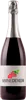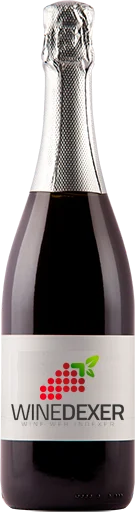
Winery Compagnie FrancaiseBaron de Clary Mousseux Brut
 Sparkling wine



This wine generally goes well with pork, beef or lamb.

Food and wine pairings with Baron de Clary Mousseux Brut
Pairings that work perfectly with Baron de Clary Mousseux Brut



Original food and wine pairings with Baron de Clary Mousseux Brut

The Baron de Clary Mousseux Brut of Winery Compagnie Francaise matches generally quite well with dishes of beef, lamb or pork such as recipes of braised beef with guinness, lamb chops with lemon and herbs or coconut from paimpol.
Details and technical informations about Winery Compagnie Francaise's Baron de Clary Mousseux Brut.
Discover the grape variety: Moscatel Galego
Expressive aromatic whites in dry, sweet and fortified styles, with a pale golden to amber colour depending on vinification, a full, perfumed palate, showing intense muscat aromas (rose, fresh grape), white flowers (orange blossom), white-fleshed fruits and citrus. Also in round, confit sweet wines with honey and dried fruits. Pillar of Moscatel do Douro and the great Iberian muscats. Portuguese synonym for Muscat à Petits Grains.
Last vintages of this wine
The best vintages of Baron de Clary Mousseux Brut from Winery Compagnie Francaise are 2016, 0
Informations about the Winery Compagnie Francaise
The Winery Compagnie Francaise is one of of the world's greatest estates. It offers 38 wines for sale in the of Champagne to come and discover on site or to buy online.

The wine region of Champagne
World benchmark sparkling wines: fine bubbles, citrusy tension, notes of brioche, toasted almond, white flowers and white-fleshed fruits after ageing on lees. Three grapes blended or solo: fleshy Pinot Noir (38%), fruity Meunier (33%), chiselled Chardonnay (28%). From straight Blanc de Blancs to vinous Blanc de Noirs, from non-vintage Brut to age-worthy Millésimé. AOC since 1927, 34,300 ha on chalk, 17 Grands Crus and 44 Premiers Crus.
The word of the wine: Aging
Period during which a wine is kept in a cellar where it goes through different phases of evolution of its aromatic range and a maturation of its constituents (evolution of the colour, refining of the tannins, harmonization of the different flavours, etc.). The wine evolves better and less quickly in large containers, whereas it deteriorates prematurely in half-bottles.