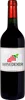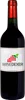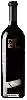
Winery CollovatiSeverino Blend
 Red wine


This wine generally goes well with
The Severino Blend of the Winery Collovati is in the top 90 of wines of Famatina.
Details and technical informations about Winery Collovati's Severino Blend.
Discover the grape variety: Heroldrebe
Intraspecific crossing obtained in Germany in 1929 by August Karl Herold (1902-1973) between the blue Portuguese and the limberger. This variety can still be found in Germany, South Africa, etc. In France, it is practically unknown.
Last vintages of this wine

The best vintages of Severino Blend from Winery Collovati are 2015, 0, 2014
Informations about the Winery Collovati
The Winery Collovati is one of of the world's greatest estates. It offers 4 wines for sale in the of Famatina to come and discover on site or to buy online.

The wine region of Famatina
Famatina is a remote, Dry and dusty river valley in the foothills of the Andes, within the La Rioja region of Argentina. Torrontés is by far the most important Grape variety planted in Famatina, and produces fresh, Aromatic white wines. The ever-present Malbec produces excellent wines in the region as well, along with Bonarda, Cabernet Sauvignon and Sauvignon Blanc. The small town of Famatina and the slightly larger town of Chilecito are home to the region's 500 or so small, family-owned vineyards.
The wine region of La Rioja
La Rioja is a wine region in the foothills of the Andes Mountains in western Argentina, North of Mendoza and San Juan. Unlike its Spanish namesake, it has traditionally been associated most closely with white wines. The mountainous Terroir of the region is particularly suited to the Torrontés Riojano variety, which produces Fruity, Soft, Aromatic whites. Bonarda, Syrah, Cabernet Sauvignon and Malbec can also be found growing throughout the region.
The word of the wine: Yeast
Micro-organisms at the base of all fermentative processes. A wide variety of yeasts live and thrive naturally in the vineyard, provided that treatments do not destroy them. Unfortunately, their replacement by laboratory-selected yeasts is often the order of the day and contributes to the standardization of the wine. Yeasts are indeed involved in the development of certain aromas.