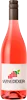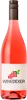
Winery CollefrisioRosé
 Pink wine



This wine generally goes well with pork, vegetarian or veal.
Wine flavors and olphactive analysis




On the nose the Rosé of Winery Collefrisio in the region of Vino da Tavola often reveals types of flavors of microbio, oak or red fruit.
Food and wine pairings with Rosé
Pairings that work perfectly with Rosé



Original food and wine pairings with Rosé


The Rosé of Winery Collefrisio matches generally quite well with dishes of lamb, veal or pork such as recipes of moroccan lamb stew, veal saltimbocca or oven-baked sausage.
Details and technical informations about Winery Collefrisio's Rosé.
Discover the grape variety: Canner seedless
Cross between hunisa and sultana obtained in 1931 in the United States by Professor Harold P. Olmo of the University of Davis (California). In France, this variety is almost unknown, but it is listed in the official catalogue of vine varieties intended for canning.
Last vintages of this wine
The best vintages of Rosé from Winery Collefrisio are 2019, 2016, 2017, 2018 and 0.
Informations about the Winery Collefrisio
The Winery Collefrisio is one of of the world's great estates. It offers 61 wines for sale in the of Vino da Tavola to come and discover on site or to buy online.

The wine region of Vino da Tavola
Vino da Tavola was the most basic classification of Italian wines. It is now renamed simply "Vino" and appears on labels as Vino d'Italia. The original name literally means "table wine" as opposed to premium wines from specific geographical locations (see EU wine label). In May 2011, the first legal steps were taken to abolish the Vino da Tavola category, in favor of a New classification of wines called simply Vino.
The word of the wine: Perlant
Said of a slightly effervescent wine.