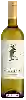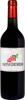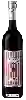
Clos Saint ContiLes Figuieras
 Red wine


In the mouth this red wine is a powerful with a nice balance between acidity and tannins.
This wine generally goes well with beef, veal or pasta.

Taste structure of the Les Figuieras from the Clos Saint Conti
Light | Bold | |
Smooth | Tannic | |
Dry | Sweet | |
Soft | Acidic |
In the mouth the Les Figuieras of Clos Saint Conti in the region of Pays d'Oc is a powerful with a nice balance between acidity and tannins.
Food and wine pairings with Les Figuieras
Pairings that work perfectly with Les Figuieras



Original food and wine pairings with Les Figuieras
The Les Figuieras of Clos Saint Conti matches generally quite well with dishes of beef, pasta or veal such as recipes of beef coarse salt, baked lasagna or chicken in sauce.
Details and technical informations about Clos Saint Conti's Les Figuieras.
Discover the grape variety: Trajadura
Structured, aromatic dry whites with a pale golden robe, an ample palate and moderate acidity, with signature aromas of citrus (lemon), white-fleshed fruits (pear, apple), white flowers and mineral notes. Brings body and structure to blends. A traditional component of Vinho Verde DOC (Portugal) and Rías Baixas DO (Galicia), blended with Alvarinho/Albariño and Loureiro. Autochthonous Portuguese and Galician variety, identical to Treixadura.
Last vintages of this wine
The best vintages of Les Figuieras from Clos Saint Conti are 0
Informations about the Clos Saint Conti
The Clos Saint Conti is one of of the world's greatest estates. It offers 8 wines for sale in the of Pays d'Oc to come and discover on site or to buy online.

The wine region of Pays d'Oc
The single-grape IGP par excellence: modern, accessible, frank and fruity wines, the popular signature of the Midi. Spicy Syrah reds (pepper, blackberry), round Merlot, structured Cabernet, generous Grenache, supple Cinsault. Crisp, tangy rosés. Opulent Chardonnay whites, lively Sauvignon, floral, apricoty Viognier.
The word of the wine: Astringency
Chemical stimulation that tightens the mucous membranes of the mouth and causes a sensation of harshness, which is characteristic of the presence of tannins. With time, the tannins lose their harshness and become softer.