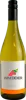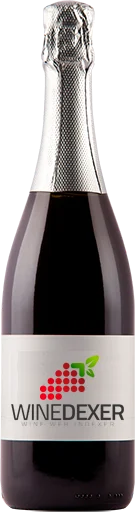
Clos Mont-BlancCava Premium
 Sparkling wine


In the mouth this sparkling wine is a powerful with fine and regular bubbles.
This wine generally goes well with appetizers and snacks, lean fish or shellfish.

Taste structure of the Cava Premium from the Clos Mont-Blanc
Light | Bold | |
Soft | Acidic | |
Gentle | Fizzy |
In the mouth the Cava Premium of Clos Mont-Blanc in the region of Catalogne is a powerful with fine and regular bubbles.
Food and wine pairings with Cava Premium
Pairings that work perfectly with Cava Premium



Original food and wine pairings with Cava Premium


The Cava Premium of Clos Mont-Blanc matches generally quite well with dishes of shellfish, appetizers and snacks or lean fish such as recipes of giant paella cooked on a wood fire, baked salmon steaks or sole fillets au gratin with mushrooms and shallots.
Details and technical informations about Clos Mont-Blanc's Cava Premium.
Discover the grape variety: Parellada
Lively, elegant whites with finely chiselled acidity and a light palate, with aromas of lemon, green apple, white flowers, fresh herbs and discreet mineral notes. Brings freshness and aromatic finesse to Cava DO blends (with macabeo and xarel-lo), defining the taut identity of Catalan sparkling wines. Also as light still whites in Penedès DO and Conca de Barberà DO. Native Catalan variety grown at altitude.
Last vintages of this wine
The best vintages of Cava Premium from Clos Mont-Blanc are 0
Informations about the Clos Mont-Blanc
The Clos Mont-Blanc is one of of the world's great estates. It offers 53 wines for sale in the of Catalogne to come and discover on site or to buy online.

The wine region of Catalogne
Cradle of Cava (~95% of Spanish output, traditional method): Macabeo, Xarel-lo, Parellada trilogy, fine fruity bubble. Quality peak in Priorat DOCa: dense, mineral reds on llicorella (schist), old-vine Garnacha and Cariñena with black fruit, garrigue notes, firm tannins. Also Penedès, fleshy Montsant, sunny Empordà, Costers del Segre. Mediterranean.
The word of the wine: Chaptalization
The addition of sugar at the time of fermentation of the must, an ancient practice, but theorized by Jean-Antoine Chaptal at the dawn of the 19th century. The sugar is transformed into alcohol and allows the natural degree of the wine to be raised in a weak or cold year, or - more questionably - when the winegrower has a harvest that is too large to obtain good maturity.