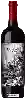
Clos LaChanceReserve Petite Sirah
 Red wine



In the mouth this red wine is a powerful with a nice balance between acidity and tannins.
This wine generally goes well with beef, game (deer, venison) or lamb.

Taste structure of the Reserve Petite Sirah from the Clos LaChance
Light | Bold | |
Smooth | Tannic | |
Dry | Sweet | |
Soft | Acidic |
In the mouth the Reserve Petite Sirah of Clos LaChance in the region of California is a powerful with a nice balance between acidity and tannins.
Wine flavors and olphactive analysis


On the nose the Reserve Petite Sirah of Clos LaChance in the region of California often reveals types of flavors of oak, spices or red fruit and sometimes also flavors of black fruit.
Food and wine pairings with Reserve Petite Sirah
Pairings that work perfectly with Reserve Petite Sirah



Original food and wine pairings with Reserve Petite Sirah
The Reserve Petite Sirah of Clos LaChance matches generally quite well with dishes of beef, lamb or game (deer, venison) such as recipes of pork shoulder with mustard, lamb stew with melting peppers or stuffed duck or goose neck.
Details and technical informations about Clos LaChance's Reserve Petite Sirah.
Discover the grape variety: Souzao
Intensely coloured, tangy reds with an almost black deep ruby robe, firm tannins and a dense, high-acidity palate, showing signature aromas of black fruits (blackberry, cassis), black cherry, spice and balsamic notes. A traditional component of vintage Port, contributing colour and acidity, present in dry reds from Douro DOC, also grown in California. The synonym for Portuguese Sousão, identical to Vinhão and Galician Sousón.
Last vintages of this wine
The best vintages of Reserve Petite Sirah from Clos LaChance are 2014, 0, 2013
Informations about the Clos LaChance
The Clos LaChance is one of of the world's great estates. It offers 57 wines for sale in the of Santa Clara Valley to come and discover on site or to buy online.

The wine region of Santa Clara Valley
Historic Bay Area AVA south of San Francisco (23 grape varieties): signature Cabernet Sauvignon dominant as red king on warm hillsides — structured concentrated reds with ripe dark fruits, firm tannins. Heritage Zinfandel and Petite Sirah, spicy and fleshy. Also Merlot, Pinot Noir, Syrah and Chardonnay. Revival around Italian grapes (Sangiovese, Barbera, Nebbiolo).
The wine region of California
Powerful, sunny reds: dense Napa Cabernet Sauvignon (blackcurrant, chocolate, tobacco, ample tannins), spicy, jammy Zinfandel from the Sierra Foothills, silky red-fruited Pinot Noir on the cool coast (Sonoma, Russian River, Central Coast). Opulent, buttery Chardonnay, notes of yellow fruit and vanilla. Varied climate, from the hot interior to the Pacific-cooled coast. 80% of US production, 139 AVAs including Napa (1st AVA, 1981).
The word of the wine: Old vines
There are no specific regulations governing the term "vieilles vignes". After 20 to 25 years, the yields stabilize and tend to decrease, the vines are deeply rooted, and the grapes that come from them give richer, more concentrated, more sappy wines, expressing with more nuance the characteristics of their terroir. It is possible to find plots of vines that claim to be a century old.