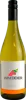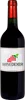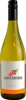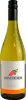
Winery Claude CarayolAragon Cabrol Blanc Cuvée Dix
 White wine



This wine generally goes well with
Details and technical informations about Winery Claude Carayol's Aragon Cabrol Blanc Cuvée Dix.
Discover the grape variety: Jurançon blanc
Mainly cultivated in the south-western part of France, white Jurançon is part of the Cognac and Armagnac grape varieties. It is not related to Jurançon Noir, even though it is quite similar. This grape variety comes from a cross with the white gouais and is in the process of disappearing. Its young leaves are bubbled and downy. The more mature ones have 5 lobes and a petiolar sinus. Jurançon Blanc has small, compact clusters and medium-sized berries. It is hardy and vigorous. Jurançon blanc is associated with an average budburst. This variety is upright. To avoid exhaustion, it is recommended to prune it short. Jurançon often suffers from gray mold, mildew and powdery mildew. Its maturity is early in the third period. In other words, this grape variety matures 20 days after Chasselas. The white wines obtained with white Jurançon are low in alcohol, acid and neutral. If they are distilled, the result is an eau de vie that is not very strong and not very marked.
Last vintages of this wine
The best vintages of Aragon Cabrol Blanc Cuvée Dix from Winery Claude Carayol are 0
Informations about the Winery Claude Carayol
The Winery Claude Carayol is one of of the world's greatest estates. It offers 8 wines for sale in the of Aragon to come and discover on site or to buy online.

The wine region of Aragon
Aragon is one of Spain's 17 autonomous communities. Located in the North of the country, it stretches from the imposing Pyrenees mountains in the South to the vast Central Iberian plateau. To the east of Aragon Lies Catalonia, while La Rioja, Castilla y Leon and Navarra are its neighbours to the west. Aragon encompasses the eastward flowing Ebro River and its vast valley, the river being one of the largest and most important in Spain.
The word of the wine: Liquid
Sweet wine containing more than 50 grams of residual sugar per liter. Sweet wines are made from grapes often affected by botrytis cinerea and concentrated either by passerillage (drying of the grapes on the vine stock), or after the harvest (straw wines), or by the cold (ice wines).