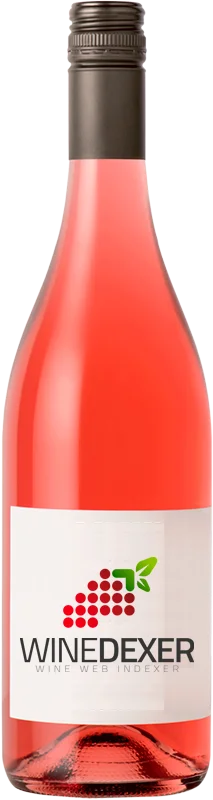
Château AurisRosé
 Pink wine
This wine generally goes well with vegetarian, appetizers and snacks or lean fish.

Food and wine pairings with Rosé
Pairings that work perfectly with Rosé



Original food and wine pairings with Rosé


The Rosé of Château Auris matches generally quite well with dishes of pasta, vegetarian or appetizers and snacks such as recipes of pastasciutta (corsica), tuna, pepper and tomato quiche or tuna and tomato mini quiches without batter.
Details and technical informations about Château Auris's Rosé.
Discover the grape variety: Cascal
Structured reds with a deep ruby robe, moderate tannins and an ample palate, showing signature aromas of black fruits (blackberry, blackcurrant), spices and balsamic notes. Often blended with other Portuguese varieties. Contributes to the complexity of Douro DOC and Lisbon regional blends. Portuguese black grape grown mainly in the Douro and the Lisbon region, part of the identity of Portuguese reds.
Informations about the Château Auris
The Château Auris is one of of the world's greatest estates. It offers 13 wines for sale in the of Corbières to come and discover on site or to buy online.

The wine region of Corbières
Largest AOC in Languedoc, 95% Mediterranean reds. Signature old-vine Carignan (up to 60%): fleshy reds with black fruit, garrigue, black olive, spice and tight tannins. Blended with round, sunny Grenache, peppery Syrah, dense Mourvèdre and supple Cinsault. A few fresh rosés and whites (Grenache Blanc, Roussanne).
The wine region of Languedoc-Roussillon
Largest single French vineyard, dominated by sunny, generous reds. Spicy Syrah, candied Grenache (ripe fruit, garrigue), structured Carignan, deep Mourvèdre, supple Cinsault. Stars: structured Corbières, Minervois, Faugères, Saint-Chinian; round Côtes-du-Roussillon. Legendary vins doux naturels: Banyuls and Maury (fortified Grenache) with notes of cocoa, fig, prune.
The word of the wine: Drain
Stopper, originally made of wood, used to plug barrels and more generally all wooden containers used to store or mature wine.