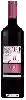
Chateau Saint JeanPierrevert Rouge
 Red wine


This wine generally goes well with

Details and technical informations about Chateau Saint Jean's Pierrevert Rouge.
Discover the grape variety: Azal
Vivid, intensely coloured reds with a dark ruby colour, marked tannins and a sharp palate with high acidity, showing signature aromas of sharp red fruits (cherry, redcurrant), spices, herbs and Atlantic mineral notes. Tense, highly distinctive northern profile. Often blended with Vinhão and Espadeiro, contributing to Vinho Verde reds from the Minho. Native black variety from the Vinho Verde region (also known as Azal Tinto), sub-region of Basto.
Informations about the Chateau Saint Jean
The Chateau Saint Jean is one of of the world's great estates. It offers 24 wines for sale in the of Coteaux de Pierrevert to come and discover on site or to buy online.

The wine region of Coteaux de Pierrevert
Provençal AOC of the Alpes-de-Haute-Provence (1998) around Manosque, the highest vineyard of Provence (400–500 m on the Durance hillsides), cool Mediterranean interior climate. Rosés (~53%) based on Grenache and Syrah with Cinsault and Mourvèdre: pale and crunchy with strawberry, raspberry, citrus, garrigue and floral notes, fresh altitude acidity — summery aperitif. Supple, fruity reds. Lively whites from Vermentino, Clairette and Marsanne.
The wine region of Provence
World capital of dry, refined rosé (~90% of production). Pale rose-petal colour, delicate nose of fresh red fruits (strawberry, raspberry, redcurrant), citrus (pink grapefruit), white flowers and a mineral touch, taut and thirst-quenching palate — the Mediterranean aperitif par excellence. Blends of Grenache, Cinsault, Syrah, Tibouren and Mourvèdre. Fleshy Bandol reds from Mourvèdre (leather, garrigue, age-worthy), straight Cassis whites.
The word of the wine: Biodynamic (agriculture)
Organic agriculture is part of a vision of the world linking the plant and all living beings to the cosmos and basing work in the vineyard and the cellar on the cycles of the moon.