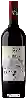
Château Saint FerdinandLussac Saint-Émilion
 Red wine


In the mouth this red wine is a powerful with a nice balance between acidity and tannins.
This wine generally goes well with poultry, beef or game (deer, venison).

Taste structure of the Lussac Saint-Émilion from the Château Saint Ferdinand
Light | Bold | |
Smooth | Tannic | |
Dry | Sweet | |
Soft | Acidic |
In the mouth the Lussac Saint-Émilion of Château Saint Ferdinand in the region of Bordeaux is a powerful with a nice balance between acidity and tannins.
Food and wine pairings with Lussac Saint-Émilion
Pairings that work perfectly with Lussac Saint-Émilion



Original food and wine pairings with Lussac Saint-Émilion

The Lussac Saint-Émilion of Château Saint Ferdinand matches generally quite well with dishes of beef, lamb or game (deer, venison) such as recipes of quick meatloaf, ghormeh sabzi (iranian herbed lamb stew) or blood duck (tour d'argent).
Details and technical informations about Château Saint Ferdinand's Lussac Saint-Émilion.
Discover the grape variety: Sainte-croix
Fruity, supple reds for early drinking with a clear ruby robe, soft tannins, airy palate and fresh acidity; signature aromas of red fruits (cherry, raspberry) and discrete herbal notes. Accessible cold-hardy style. Cold-resistant, cultivated in cold North American regions (Quebec, Minnesota, Wisconsin), suited to continental climates. Black hybrid bred in 1998 by Elmer Swenson in Minnesota.
Informations about the Château Saint Ferdinand
The Château Saint Ferdinand is one of of the world's greatest estates. It offers 1 wines for sale in the of Lussac-Saint-Émilion to come and discover on site or to buy online.

The wine region of Lussac-Saint-Émilion
Northern Saint-Émilion satellite on the Bordeaux Right Bank (AOC 1936, ~72,000 hl/year): rich, silky reds dominated by Merlot — ripe red and black fruits, candied plum, pepper, undergrowth and animal leather notes with age, melted tannins and velvety texture. Cabernet Franc, Cabernet Sauvignon, Malbec and Petit Verdot in blends. Varied terroirs: southeastern clay-limestone hillsides typical of Saint-Émilion and gravelly western plateau, generous and accessible identity.
The wine region of Bordeaux
World-renowned age-worthy reds, led by round Merlot (plum, black fruit) or firm Cabernet Sauvignon (blackcurrant, cedar, graphite), blended with Cabernet Franc and Petit Verdot for tannic structure. Structured Médoc and Graves, velvety Saint-Émilion and Pomerol. Also crisp dry whites (Sauvignon/Sémillon) and opulent sweet Sauternes with honey and candied fruit. A 110,000 ha Gironde vineyard, 65 appellations, cradle of the 1855 classified growths.
The word of the wine: Cup (size in)
Specific to the Mediterranean vineyard, this short pruning which opens the stock in the shape of a corolla offers a good resistance to violent winds but does not allow any mechanization of the vine work.