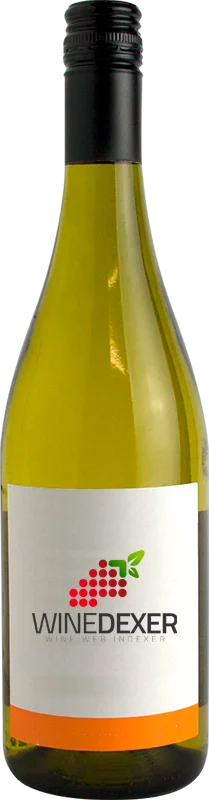
Château Ragon Bel AirBordeaux Sauvignon - Semillon
 White wine


In the mouth this white wine is a powerful.
This wine generally goes well with pork, vegetarian or poultry.

Taste structure of the Bordeaux Sauvignon - Semillon from the Château Ragon Bel Air
Light | Bold | |
Dry | Sweet | |
Soft | Acidic |
In the mouth the Bordeaux Sauvignon - Semillon of Château Ragon Bel Air in the region of Bordeaux is a powerful.
Food and wine pairings with Bordeaux Sauvignon - Semillon
Pairings that work perfectly with Bordeaux Sauvignon - Semillon



Original food and wine pairings with Bordeaux Sauvignon - Semillon


The Bordeaux Sauvignon - Semillon of Château Ragon Bel Air matches generally quite well with dishes of pork, vegetarian or poultry such as recipes of oven-baked sausage, nanie's diced ham quiche or chicken pie.
Details and technical informations about Château Ragon Bel Air's Bordeaux Sauvignon - Semillon.
Discover the grape variety: Abouriou
Supple, fruity reds with a deep purple robe, smooth tannins and moderate acidity, showing aromas of red and black fruits (cherry, blackberry, plum), sweet spices and floral notes. Round, approachable young, easy-drinking wines. Star of Côtes du Marmandais AOC, identity pillar of the appellation alongside cabernet and merlot, also present in Buzet AOC and Fronton AOC. Autochthonous South-West variety from Lot-et-Garonne, rediscovered in the 19th century.
Informations about the Château Ragon Bel Air
The Château Ragon Bel Air is one of of the world's greatest estates. It offers 3 wines for sale in the of Bordeaux to come and discover on site or to buy online.

The wine region of Bordeaux
World-renowned age-worthy reds, led by round Merlot (plum, black fruit) or firm Cabernet Sauvignon (blackcurrant, cedar, graphite), blended with Cabernet Franc and Petit Verdot for tannic structure. Structured Médoc and Graves, velvety Saint-Émilion and Pomerol. Also crisp dry whites (Sauvignon/Sémillon) and opulent sweet Sauternes with honey and candied fruit. A 110,000 ha Gironde vineyard, 65 appellations, cradle of the 1855 classified growths.
The word of the wine: Demi-sec
Champagne with between 33 and 50 grams of sugar (see dosage liqueur).