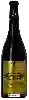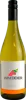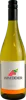
Château MontanaLe Muscat de Rivesaltes
 Natural sweet wine
This wine generally goes well with spicy food and sweet desserts.
Food and wine pairings with Le Muscat de Rivesaltes
Pairings that work perfectly with Le Muscat de Rivesaltes


Original food and wine pairings with Le Muscat de Rivesaltes
The Le Muscat de Rivesaltes of Château Montana matches generally quite well with dishes of spicy food or sweet desserts such as recipes of provencal bourride or yoghurt cake.
Details and technical informations about Château Montana's Le Muscat de Rivesaltes.
Discover the grape variety: Dolcetto nero
An Italian variety that is very present in Piedmont, it is also found in Argentina and France, where it is registered in the Official Catalogue of Wine Grape Varieties, list A1. Dolcetto nero would be the sweet black one. However, the one we encountered, both at Daumas-Gassac in Aniane in the Hérault and at Pouzols-Minervois in the Aude, does not have the same ampelographic characteristics: the first difference is that the petiolar point and the veins are wine red and not green like those of the douce noire.
Informations about the Château Montana
The Château Montana is one of of the world's great estates. It offers 18 wines for sale in the of Muscat de Rivesaltes to come and discover on site or to buy online.

The wine region of Muscat de Rivesaltes
The wine region of Muscat de Rivesaltes is located in the region of Rivesaltes of Languedoc-Roussillon of France. Wineries and vineyards like the Domaine Boudau or the Domaine Lafage produce mainly wines natural sweet, sweet and white. The most planted grape varieties in the region of Muscat de Rivesaltes are Melon et Muscadelle, they are then used in wines in blends or as a single variety. On the nose of Muscat de Rivesaltes often reveals types of flavors of earth, spices or melon and sometimes also flavors of mango, dried apricot or non oak.
The wine region of Languedoc-Roussillon
Languedoc (formerly Coteaux du Languedoc) is a key appellation used in the Languedoc-Roussillon wine region of southern France. It covers Dry table wines of all three colors (red, white and rosé) from the entire region, but leaves Sweet and Sparkling wines to other more specialized appellations. About 75% of all Languedoc wines are red, with the remaining 25% split roughly down the middle between whites and rosés. The appellation covers most of the Languedoc region and almost a third of all the vineyards in France.
The word of the wine: INAO
National Institute of Origin and Quality. French organization depending on the Ministry of Agriculture and in charge of quality signs: AOC, IGP, labels and organic farming.