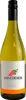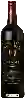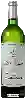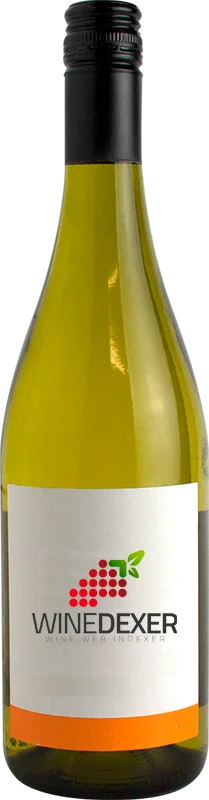
Château Lecourt CailletCuvée Mahel Bordeaux Blanc
 White wine
In the mouth this white wine is a powerful.
This wine generally goes well with pork, vegetarian or poultry.
Taste structure of the Cuvée Mahel Bordeaux Blanc from the Château Lecourt Caillet
Light | Bold | |
Dry | Sweet | |
Soft | Acidic |
In the mouth the Cuvée Mahel Bordeaux Blanc of Château Lecourt Caillet in the region of Bordeaux is a powerful.
Food and wine pairings with Cuvée Mahel Bordeaux Blanc
Pairings that work perfectly with Cuvée Mahel Bordeaux Blanc



Original food and wine pairings with Cuvée Mahel Bordeaux Blanc


The Cuvée Mahel Bordeaux Blanc of Château Lecourt Caillet matches generally quite well with dishes of pork, vegetarian or poultry such as recipes of gloom and doom, zucchini quiche or chicken breast with cream and mushrooms.
Details and technical informations about Château Lecourt Caillet's Cuvée Mahel Bordeaux Blanc.
Discover the grape variety: Centennial seedless
Cross between gold and Q25-6 (F2 emperor x Pirovano 75 or sultana moscata) obtained in the United States in 1966 by Professor Harold P. Olmo of the University of Davis (California). At the end of 2005, Centennial seedless was registered in the Official Catalogue of table grape varieties, list A1.
Informations about the Château Lecourt Caillet
The Château Lecourt Caillet is one of of the world's greatest estates. It offers 13 wines for sale in the of Bordeaux to come and discover on site or to buy online.

The wine region of Bordeaux
Bordeaux, in southwestern France, is one of the most famous, prestigious and prolific wine regions in the world. The majority of Bordeaux wines (nearly 90% of the production Volume) are the Dry, medium and Full-bodied red Bordeaux blends for which it is famous. The finest (and most expensive) are the wines of the great châteaux of Haut-Médoc and the right bank appellations of Saint-Émilion and Pomerol. The former focuses (at the highest level) on Cabernet Sauvignon, the latter on Merlot.
The word of the wine: Viscosity
Consistency of wine reminiscent of the tactile sensation of sugar syrup with varying degrees of fluidity, due to the alcohol and natural sugar in the grapes present in sweet wines. In excess, this sensation can make the wine pasty and heavy. To the eye, viscosity is referred to as tears.