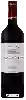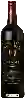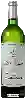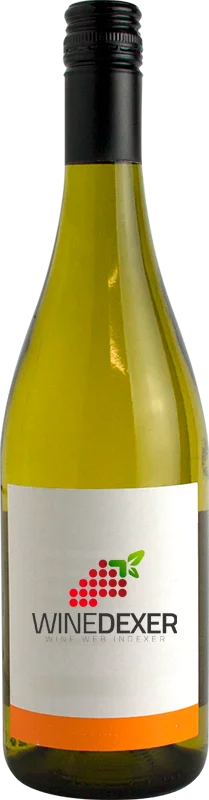
Château l'EspéranceBordeaux Sauvignon Blanc
 White wine
This wine generally goes well with pork, vegetarian or poultry.
Food and wine pairings with Bordeaux Sauvignon Blanc
Pairings that work perfectly with Bordeaux Sauvignon Blanc



Original food and wine pairings with Bordeaux Sauvignon Blanc


The Bordeaux Sauvignon Blanc of Château l'Espérance matches generally quite well with dishes of pork, vegetarian or poultry such as recipes of the tartiflette wrap, tuna, pepper and tomato quiche or home-made coq au vin.
Details and technical informations about Château l'Espérance's Bordeaux Sauvignon Blanc.
Discover the grape variety: Serna
Intraspecific cross between moscatel rosado and (cardinal x sultanine) obtained in San Rafael, Argentina at the Inta station by Angelo Gargiulo and registered in 2010 in the Official Catalogue of table grape varieties list A. It can be found in Italy and Spain, but is rarely grown in France.
Informations about the Château l'Espérance
The Château l'Espérance is one of of the world's greatest estates. It offers 4 wines for sale in the of Bordeaux to come and discover on site or to buy online.

The wine region of Bordeaux
Bordeaux, in southwestern France, is one of the most famous, prestigious and prolific wine regions in the world. The majority of Bordeaux wines (nearly 90% of the production Volume) are the Dry, medium and Full-bodied red Bordeaux blends for which it is famous. The finest (and most expensive) are the wines of the great châteaux of Haut-Médoc and the right bank appellations of Saint-Émilion and Pomerol. The former focuses (at the highest level) on Cabernet Sauvignon, the latter on Merlot.
The word of the wine: Vintage scale
Complex system of classification of the communes of Champagne according to the value of the grapes which are produced there. In other regions, hierarchical situation of the productions classified by various authorities.