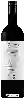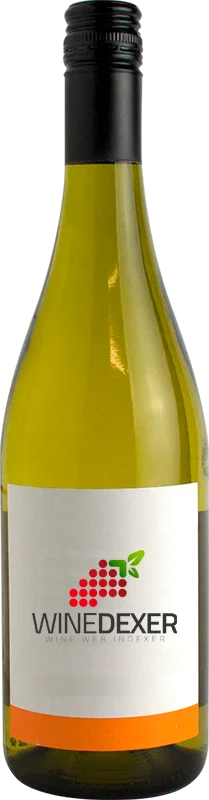
Chateau Haut-RiotBordeaux Blanc
 White wine



In the mouth this white wine is a powerful.
This wine generally goes well with pork, vegetarian or poultry.

Taste structure of the Bordeaux Blanc from the Chateau Haut-Riot
Light | Bold | |
Dry | Sweet | |
Soft | Acidic |
In the mouth the Bordeaux Blanc of Chateau Haut-Riot in the region of Bordeaux is a powerful.
Food and wine pairings with Bordeaux Blanc
Pairings that work perfectly with Bordeaux Blanc



Original food and wine pairings with Bordeaux Blanc


The Bordeaux Blanc of Chateau Haut-Riot matches generally quite well with dishes of pork, vegetarian or poultry such as recipes of roast pork with mustard and honey, light tuna-tomato quiche (without cream) or home-made white pudding.
Details and technical informations about Chateau Haut-Riot's Bordeaux Blanc.
Discover the grape variety: Voskeat (e)
Structured, aromatic whites with a pale golden colour, an ample palate with preserved acidity, and signature aromas of citrus, white flowers, white-fleshed fruits and mineral notes typical of Ararat. A traditional component of Armenia's great whites, used in the production of Armenian brandy (Ararat). An indigenous Armenian white variety (meaning "gold" in Armenian), grown mainly in the Ararat Valley.
Informations about the Chateau Haut-Riot
The Chateau Haut-Riot is one of of the world's greatest estates. It offers 10 wines for sale in the of Bordeaux to come and discover on site or to buy online.

The wine region of Bordeaux
World-renowned age-worthy reds, led by round Merlot (plum, black fruit) or firm Cabernet Sauvignon (blackcurrant, cedar, graphite), blended with Cabernet Franc and Petit Verdot for tannic structure. Structured Médoc and Graves, velvety Saint-Émilion and Pomerol. Also crisp dry whites (Sauvignon/Sémillon) and opulent sweet Sauternes with honey and candied fruit. A 110,000 ha Gironde vineyard, 65 appellations, cradle of the 1855 classified growths.
The word of the wine: Oxidative (breeding)
A method of ageing which aims to give the wine certain aromas of evolution (dried fruit, bitter orange, coffee, rancio, etc.) by exposing it to the air; it is then matured either in barrels, demi-muids or unoaked casks, sometimes stored in the open air, or in barrels exposed to the sun and to temperature variations. This type of maturation characterizes certain natural sweet wines, ports and other liqueur wines.