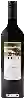
Château GléonLe Reflet de Gléon
 Red wine


In the mouth this red wine is a powerful with a nice balance between acidity and tannins.
This wine generally goes well with beef, veal or pasta.

Taste structure of the Le Reflet de Gléon from the Château Gléon
Light | Bold | |
Smooth | Tannic | |
Dry | Sweet | |
Soft | Acidic |
In the mouth the Le Reflet de Gléon of Château Gléon in the region of Languedoc-Roussillon is a powerful with a nice balance between acidity and tannins.
Food and wine pairings with Le Reflet de Gléon
Pairings that work perfectly with Le Reflet de Gléon



Original food and wine pairings with Le Reflet de Gléon
The Le Reflet de Gléon of Château Gléon matches generally quite well with dishes of beef, pasta or veal such as recipes of chili con carne, elodie's pasta risotto or veal head with vinaigrette.
Details and technical informations about Château Gléon's Le Reflet de Gléon.
Discover the grape variety: Taraboussié
Light and simply fruity reds with a pale ruby colour, silky tannins and an airy palate with moderate acidity, featuring undemonstrative red fruit aromas. Discreet rustic profile. Almost extinct, preserved in INRAE varietal collections for its heritage value, it bears witness to the pre-phylloxera ampelographic diversity of the South-West and is among the heritage grape varieties under study. Rare French black grape, once grown in the South-West.
Last vintages of this wine
The best vintages of Le Reflet de Gléon from Château Gléon are 2017
Informations about the Château Gléon
The Château Gléon is one of of the world's greatest estates. It offers 11 wines for sale in the of Corbières to come and discover on site or to buy online.

The wine region of Corbières
Largest AOC in Languedoc, 95% Mediterranean reds. Signature old-vine Carignan (up to 60%): fleshy reds with black fruit, garrigue, black olive, spice and tight tannins. Blended with round, sunny Grenache, peppery Syrah, dense Mourvèdre and supple Cinsault. A few fresh rosés and whites (Grenache Blanc, Roussanne).
The wine region of Languedoc-Roussillon
Largest single French vineyard, dominated by sunny, generous reds. Spicy Syrah, candied Grenache (ripe fruit, garrigue), structured Carignan, deep Mourvèdre, supple Cinsault. Stars: structured Corbières, Minervois, Faugères, Saint-Chinian; round Côtes-du-Roussillon. Legendary vins doux naturels: Banyuls and Maury (fortified Grenache) with notes of cocoa, fig, prune.
The word of the wine: CM
Mention on the label of a champagne. It is a handling cooperative that produces on its own premises and markets under its own brand the wines made from the grapes harvested by its members.