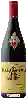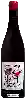
Château FuisséDomaine Le Cotoyon Juliénas
 Red wine


In the mouth this red wine is a with a nice freshness.
This wine generally goes well with pork, poultry or veal.
The Domaine Le Cotoyon Juliénas of the Château Fuissé is in the top 80 of wines of Juliénas.

Taste structure of the Domaine Le Cotoyon Juliénas from the Château Fuissé
Light | Bold | |
Smooth | Tannic | |
Dry | Sweet | |
Soft | Acidic |
In the mouth the Domaine Le Cotoyon Juliénas of Château Fuissé in the region of Beaujolais is a with a nice freshness.
Food and wine pairings with Domaine Le Cotoyon Juliénas
Pairings that work perfectly with Domaine Le Cotoyon Juliénas



Original food and wine pairings with Domaine Le Cotoyon Juliénas

The Domaine Le Cotoyon Juliénas of Château Fuissé matches generally quite well with dishes of pasta, veal or pork such as recipes of pasta with cherry tomatoes, veal colombo or green lentils strasbourg style.
Details and technical informations about Château Fuissé's Domaine Le Cotoyon Juliénas.
Discover the grape variety: Gamay noir
Light, juicy reds, low in tannins with crunchy freshness, showing aromas of wild strawberry, raspberry, banana (from carbonic maceration) and peony. Easy-drinking style of Beaujolais Nouveau, more structured and mineral on the granites of the ten crus (Morgon, Moulin-à-Vent, Fleurie, Brouilly). Also in Touraine, Auvergne and Swiss Romande. A Burgundian variety, a cross of Pinot Noir × Gouais Blanc.
Last vintages of this wine
The best vintages of Domaine Le Cotoyon Juliénas from Château Fuissé are 2010
Informations about the Château Fuissé
The Château Fuissé is one of of the world's great estates. It offers 16 wines for sale in the of Juliénas to come and discover on site or to buy online.

The wine region of Juliénas
Northernmost Beaujolais cru, one of the most structured of the ten. Gamay signature as sole grape: perfumed, sturdy reds with signature notes of black cherry, raspberry, flowers (peony, violet), sweet spices and a granitic mineral touch, firm tannins and silky mouth — denser than Fleurie or Brouilly, immediate pleasure to 5-10 year ageing on top cuvées. Granitic, schist and clay soils across 4 communes (~537 ha).
The wine region of Beaujolais
Kingdom of Gamay (98% of the vineyard): fruity, accessible reds with signature notes of cherry, raspberry, banana (carbonic maceration), violet and sweet spices, supple tannins and juicy acidity. From festive Beaujolais Nouveau (3rd Thursday of November) to the 10 more structured, age-worthy Crus: deep earthy Morgon, sturdy Moulin-à-Vent, floral Fleurie, crunchy Brouilly. Some lively Chardonnay. 12,000 ha south of Burgundy, granitic soils.
The word of the wine: Tanin
A natural compound contained in the skin of the grape, the seed or the woody part of the bunch, the stalk. The maceration of red wines allows the extraction of tannins, which give the texture, the solidity and also the mellowness when the tannins are "ripe". The winemaker seeks above all to extract the tannins from the skin, the ripest and most noble. The tannins of the seed or stalk, which are "greener", especially in average years, give the wine hardness and astringency. The wines of Bordeaux (based on Cabernet and Merlot) are full of tannins, those of Burgundy much less so, with Pinot Noir containing little.