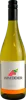
Château de SalettesL'Aoutouno Gaillac Doux
 Sweet wine
This wine generally goes well with



Details and technical informations about Château de Salettes's L'Aoutouno Gaillac Doux.
Discover the grape variety: Phoenix
Aromatic, fresh dry whites with a pale golden robe, a supple palate and preserved acidity of delicate light muscat, white flowers (elderflower, acacia), citrus, apple, pear and floral notes. A thirst-quenching profile to drink young. A disease-resistant interspecific grape driving organic vineyards in Germany, Switzerland, Belgium, UK and the Netherlands. German hybrid created in 1964 at Geilweilerhof (bacchus × villard blanc).
Informations about the Château de Salettes
The Château de Salettes is one of of the world's greatest estates. It offers 10 wines for sale in the of Gaillac to come and discover on site or to buy online.

The wine region of Gaillac
Millennia-old South-West mosaic (banks of the Tarn) with rare native grapes: Mauzac reigns in whites — dry, pearled or sweet with notes of apple, pear, honey and white flowers, signature freshness. Ample Loin-de-l'œil and Ondenc complement. Duras in spicy, peppery reds, fleshy Braucol (Fer Servadou) (blackcurrant, raspberry, blackberry, structured tannins) and Syrah in blends. Iconic ancestral-method Gaillac sparkling.
The wine region of South West
French mosaic of strong identities south of Bordeaux. Cahors and its Malbec ("black wine"): deep reds with notes of blackberry, plum, violet, tobacco and cocoa, firm tannins. Madiran and its dense, age-worthy Tannat. Jurançon whites: golden sweet (apricot, honey, pineapple) and lively dry from Petit Manseng.
The word of the wine: Tartar (deposit)
White, chalky deposits that occur as a result of precipitation inside bottles and are often considered by consumers as a defect. They are in fact tartaric salts formed by tartaric acid, potassium and calcium naturally present in the wine. This deposit does not alter the quality of the wine and can be eliminated by a simple decanting.