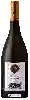
Château de los Hermanos5 Estrelas Superior Sauvignon Blanc
 White wine
In the mouth this white wine is a with a nice freshness.
This wine generally goes well with vegetarian, shellfish or goat cheese.

Taste structure of the 5 Estrelas Superior Sauvignon Blanc from the Château de los Hermanos
Light | Bold | |
Dry | Sweet | |
Soft | Acidic |
In the mouth the 5 Estrelas Superior Sauvignon Blanc of Château de los Hermanos in the region of Central Valley is a with a nice freshness.
Food and wine pairings with 5 Estrelas Superior Sauvignon Blanc
Pairings that work perfectly with 5 Estrelas Superior Sauvignon Blanc


Original food and wine pairings with 5 Estrelas Superior Sauvignon Blanc
The 5 Estrelas Superior Sauvignon Blanc of Château de los Hermanos matches generally quite well with dishes of shellfish, vegetarian or goat cheese such as recipes of fish paella, light tuna-tomato quiche (without cream) or pizza goat cheese honey cream.
Details and technical informations about Château de los Hermanos's 5 Estrelas Superior Sauvignon Blanc.
Discover the grape variety: Menu Pineau
Lively and structured dry whites with a pale golden colour, slender palate and razor-sharp acidity, with signature aromas of citrus (lemon), white flowers (acacia), white stone fruit (apple, pear) and Loire mineral notes. An airy and taut profile. Traditional component of Cheverny AOC and Valençay AOC appellations, signing characterful Loire blends. An indigenous French white variety from Touraine and Sologne (also called Arbois), nearly extinct then recently rediscovered.
Informations about the Château de los Hermanos
The Château de los Hermanos is one of wineries to follow in Central Valley.. It offers 21 wines for sale in the of Central Valley to come and discover on site or to buy online.

The wine region of Central Valley
Heart of modern Chilean wine: structured, sunny reds, dense, blackcurranty Cabernet Sauvignon from Maipo (Chilean cradle of the grape), signature Carménère with notes of ripe pepper, black fruit and sweet spices from Colchagua, supple Merlot and deep Syrah. Round Chardonnay whites and lively, sharp Sauvignon. Mediterranean climate, 400 km between Andes and Pacific. Star sub-regions: Maipo, Cachapoal, Colchagua, Curicó, Maule.
The word of the wine: De-vatting
Separation of the fermented juice from all solid particles (skin, pips, deposit of lees) by transferring it to a second tank.