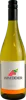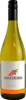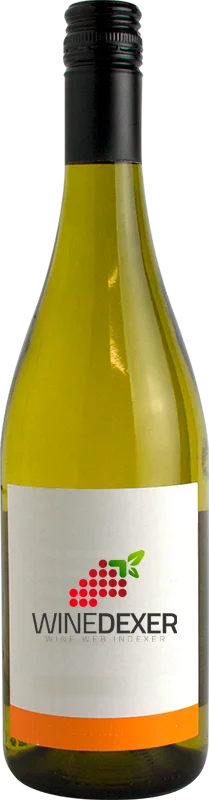
Château de la PreuilleTête de Cuvée Chardonnay de Loire
 White wine
This wine generally goes well with pork, vegetarian or poultry.
Food and wine pairings with Tête de Cuvée Chardonnay de Loire
Pairings that work perfectly with Tête de Cuvée Chardonnay de Loire



Original food and wine pairings with Tête de Cuvée Chardonnay de Loire

The Tête de Cuvée Chardonnay de Loire of Château de la Preuille matches generally quite well with dishes of pork, rich fish (salmon, tuna etc) or vegetarian such as recipes of pan-fried black pudding with apples, pasta with tuna or quiche with bacon and gruyère cheese.
Details and technical informations about Château de la Preuille's Tête de Cuvée Chardonnay de Loire.
Discover the grape variety: Chardonnay
The white Chardonnay is a grape variety that originated in France (Burgundy). It produces a variety of grape specially used for wine making. It is rare to find this grape to eat on our tables. This variety of grape is characterized by small bunches, and small grapes. White Chardonnay can be found in many vineyards: South West, Burgundy, Jura, Languedoc & Roussillon, Cognac, Bordeaux, Beaujolais, Savoie & Bugey, Loire Valley, Champagne, Rhone Valley, Armagnac, Lorraine, Alsace, Provence & Corsica.
Informations about the Château de la Preuille
The Château de la Preuille is one of of the world's greatest estates. It offers 14 wines for sale in the of Loire Valley to come and discover on site or to buy online.

The wine region of Loire Valley
Kingdom of lively, dry whites and fine sparklers. Mineral, taut Sauvignon Blanc (Sancerre, Pouilly-Fumé) with citrus and gunflint notes. Multiform Chenin Blanc (Vouvray, Savennières, Layon): straight dry, floral off-dry or noble sweet honey-quince. Saline, iodised Muscadet (Melon B.
The word of the wine: Discharge
Action consisting of removing suspended particles (sludge) from the must.