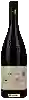
Château de FlaugerguesFoliae La Méjanelle
 White wine
In the mouth this white wine is a .
This wine generally goes well with vegetarian, poultry or lean fish.

Taste structure of the Foliae La Méjanelle from the Château de Flaugergues
Light | Bold | |
Dry | Sweet | |
Soft | Acidic |
In the mouth the Foliae La Méjanelle of Château de Flaugergues in the region of Languedoc-Roussillon is a .
Food and wine pairings with Foliae La Méjanelle
Pairings that work perfectly with Foliae La Méjanelle



Original food and wine pairings with Foliae La Méjanelle


The Foliae La Méjanelle of Château de Flaugergues matches generally quite well with dishes of pasta, vegetarian or poultry such as recipes of makroud, leek, goat cheese and bacon quiche or roast goose, soft.
Details and technical informations about Château de Flaugergues's Foliae La Méjanelle.
Discover the grape variety: Albana
Structured and aromatic dry whites with a pale golden robe, an ample palate and moderate acidity, with signature aromas of white flowers (acacia), yellow fruits (pear, peach, apricot), almond and mineral notes. Also the star of passito and botrytised dessert wines — round and candied with honey and dried fruit notes. The star of the Romagna Albana DOCG, Italy's first white DOCG (1987). Native Italian white grape from Emilia-Romagna, grown in the hills of Forlì and Bologna.
Informations about the Château de Flaugergues
The Château de Flaugergues is one of of the world's great estates. It offers 32 wines for sale in the of La Méjanelle to come and discover on site or to buy online.

The wine region of La Méjanelle
AOC Languedoc east of Montpellier (communes of Castelnau-le-Lez, Mauguio and Saint-Aunès in Hérault, rare terroir of rounded pebbles on 3–4 m of rubefied red clay, regular maritime ventilation from breezes, classified AOC Coteaux du Languedoc 1985): Syrah and Grenache as signature reds on warm pebbly terrain — Mediterranean fleshy profiles with dark fruits and garrigue. Mourvèdre, Carignan and Cinsault as complements; characteristic reds and rosés.
The wine region of Languedoc-Roussillon
Largest single French vineyard, dominated by sunny, generous reds. Spicy Syrah, candied Grenache (ripe fruit, garrigue), structured Carignan, deep Mourvèdre, supple Cinsault. Stars: structured Corbières, Minervois, Faugères, Saint-Chinian; round Côtes-du-Roussillon. Legendary vins doux naturels: Banyuls and Maury (fortified Grenache) with notes of cocoa, fig, prune.
The word of the wine: Flavours (families of)
Aromas are classified into categories called families of aromas: fruity, floral, fermentative, vegetal, woody, balsamic, spicy, mineral, empyreumatic, animal.