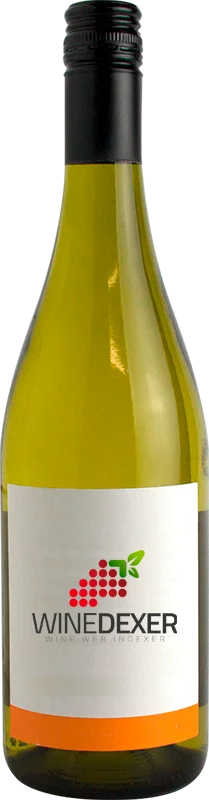
Château de ChenonceauBlanc
 White wine



This wine generally goes well with

Wine flavors and olphactive analysis

On the nose the Blanc of Château de Chenonceau in the region of Loire Valley often reveals types of flavors of tree fruit.
Details and technical informations about Château de Chenonceau's Blanc.
Discover the grape variety: Villaris
Aromatic, fresh whites with a pale golden robe, a supple palate with preserved acidity. Signature aromas of white flowers, white-fleshed fruits (apple, pear) and light muscat notes. Productive and mildew-resistant. Grown in Germany and Belgium for organic and integrated-management vineyards, contributing to modern northern whites. A German white hybrid from Geilweilerhof, a disease-resistant cross involving the Sirius.
Last vintages of this wine
The best vintages of Blanc from Château de Chenonceau are 2016, 2017, 2018, 2014
Informations about the Château de Chenonceau
The Château de Chenonceau is one of of the world's greatest estates. It offers 3 wines for sale in the of Touraine to come and discover on site or to buy online.

The wine region of Touraine
Signature Sauvignon as king of Touraine whites (~80% of plantings): dry, expressive with notes of citrus, green apple, gooseberry, white flowers, exotic fruit and a touch of boxwood, lively acidity — ideal aperitif. Gamay as a juicy, crunchy red (cherry, raspberry, discreet tannins), more structured Cabernet Franc (bell pepper, raspberry) and dense Côt to complete it. Chenin and Chardonnay among whites. Vast Loire AOC between Blois and Tours, tuffeau and flint.
The wine region of Loire Valley
Kingdom of lively, dry whites and fine sparklers. Mineral, taut Sauvignon Blanc (Sancerre, Pouilly-Fumé) with citrus and gunflint notes. Multiform Chenin Blanc (Vouvray, Savennières, Layon): straight dry, floral off-dry or noble sweet honey-quince. Saline, iodised Muscadet (Melon B.
The word of the wine: Cup (size in)
Specific to the Mediterranean vineyard, this short pruning which opens the stock in the shape of a corolla offers a good resistance to violent winds but does not allow any mechanization of the vine work.


