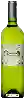
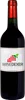
Château CouronneauCarnaval de Couronneau Bordeaux Blanc
 White wine



In the mouth this white wine is a powerful.
This wine generally goes well with pork, vegetarian or poultry.

Taste structure of the Carnaval de Couronneau Bordeaux Blanc from the Château Couronneau
Light | Bold | |
Dry | Sweet | |
Soft | Acidic |
In the mouth the Carnaval de Couronneau Bordeaux Blanc of Château Couronneau in the region of Bordeaux is a powerful.
Food and wine pairings with Carnaval de Couronneau Bordeaux Blanc
Pairings that work perfectly with Carnaval de Couronneau Bordeaux Blanc



Original food and wine pairings with Carnaval de Couronneau Bordeaux Blanc


The Carnaval de Couronneau Bordeaux Blanc of Château Couronneau matches generally quite well with dishes of pork, vegetarian or poultry such as recipes of baeckeoffe, quiche with leeks and fresh salmon from flo or special' tagliatelle carbonara.
Details and technical informations about Château Couronneau's Carnaval de Couronneau Bordeaux Blanc.
Discover the grape variety: Muscat of Alexandria
Intensely perfumed aromatic whites with a pale golden robe and an ample palate, showing powerful signature aromas of muscat, rose, white flowers (orange blossom), exotic fruits (lychee, mango), candied citrus and honeyed notes. Vinified mainly as sweet, passito and liqueur wines. The star of Moscato di Pantelleria DOC (Sicily), Málaga DO, Setúbal DOC. The English name for Muscat d'Alexandrie, a historic aromatic variety from the eastern Mediterranean.
Informations about the Château Couronneau
The Château Couronneau is one of of the world's greatest estates. It offers 13 wines for sale in the of Bordeaux to come and discover on site or to buy online.

The wine region of Bordeaux
World-renowned age-worthy reds, led by round Merlot (plum, black fruit) or firm Cabernet Sauvignon (blackcurrant, cedar, graphite), blended with Cabernet Franc and Petit Verdot for tannic structure. Structured Médoc and Graves, velvety Saint-Émilion and Pomerol. Also crisp dry whites (Sauvignon/Sémillon) and opulent sweet Sauternes with honey and candied fruit. A 110,000 ha Gironde vineyard, 65 appellations, cradle of the 1855 classified growths.
The word of the wine: Body
Character of a wine combining a good constitution (structure and flesh) with warmth.