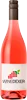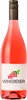
Château BarthesBandol White
 White wine



This wine generally goes well with

Wine flavors and olphactive analysis

Details and technical informations about Château Barthes's Bandol White.
Discover the grape variety: Etraire de la Dui
Light, fruity reds with a clear colour, a pale ruby robe, supple tannins and a light palate with preserved acidity, featuring signature aromas of red fruits (cherry, raspberry) and fresh alpine spices. Listed in the official French variety catalogue, it survives in a few heritage plots in the Isère and contributes to confidential Dauphinois cuvées. French autochthonous black variety from Isère, in the Dauphiné, preserved for its heritage value.
Last vintages of this wine
The best vintages of Bandol White from Château Barthes are 2015, 2017, 2014, 2018
Informations about the Château Barthes
The Château Barthes is one of of the world's greatest estates. It offers 5 wines for sale in the of Bandol to come and discover on site or to buy online.

The wine region of Bandol
Provençal jewel between Cassis and Toulon, kingdom of Mourvèdre (50-95% in red). Signature powerful reds with notes of black blackberry, garrigue, pepper, leather, truffle and a balsamic touch, firm tannins and superb ageing (10-30 years) — French benchmark for the grape. Structured, gastronomic rosés (strawberry, citrus, spices) — not a simple aperitif rosé. Rare, mineral Clairette and Bourboulenc whites.
The wine region of Provence
World capital of dry, refined rosé (~90% of production). Pale rose-petal colour, delicate nose of fresh red fruits (strawberry, raspberry, redcurrant), citrus (pink grapefruit), white flowers and a mineral touch, taut and thirst-quenching palate — the Mediterranean aperitif par excellence. Blends of Grenache, Cinsault, Syrah, Tibouren and Mourvèdre. Fleshy Bandol reds from Mourvèdre (leather, garrigue, age-worthy), straight Cassis whites.
The word of the wine: Piccolo
Small bottle with a capacity of 20 centilitres.