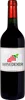
Winery Char ReesPinot Noir
 wine
wine
This wine generally goes well with
The Pinot Noir of the Winery Char Rees is in the top 0 of wines of Canterbury.
Details and technical informations about Winery Char Rees's Pinot Noir.
Discover the grape variety: Boskoop glory
It is said to be a natural interspecific cross between a vitis vinifera and a vitis labrusca, the isabelle variety being a better known example. It was discovered by Gérard Van Tol Boskoop and imported into Germany by Günter Pfeiffer. It can also be found in the Netherlands, Belgium and England, where it is commonly grown in greenhouses. We noted that the schuyler looks somewhat like the Boskoop glory even if the origins, each time put forward, are quite different, to be followed!
Informations about the Winery Char Rees
The Winery Char Rees is one of of the world's greatest estates. It offers 4 wines for sale in the of Canterbury to come and discover on site or to buy online.

The wine region of Canterbury
The wine region of Canterbury is located in the region of South Island of New Zealand. Wineries and vineyards like the Domaine Bell Hill or the Domaine Pyramid Valley Vineyards produce mainly wines white, red and pink. The most planted grape varieties in the region of Canterbury are Pinot noir, Riesling and Chardonnay, they are then used in wines in blends or as a single variety. On the nose of Canterbury often reveals types of flavors of cherry, lemon zest or lime and sometimes also flavors of apricot, ginger or lemon.
The wine region of South Island
Central Otago, near the bottom of New Zealand's South Island, vies for the title of world's most southerly wine region. Vineyards cling to the sides of mountains and high above river gorges in this dramatic landscape. Pinot Noir has proven itself in this challenging Terroir, and takes up nearly three-quarters of the region's vineyard area. The typical Central Otago Pinot Noir is intense and deeply colored, with flavors of doris plum, Sweet spice and bramble.
The word of the wine: Courgée
Name of the fruiting branch left after pruning and which is then arched along the trellis in the Jura (in the Mâconnais, it is called the tail).